The Bucharest Hackathon, la a doua ediție, 13-14 aprilie 2024. Eveniment pentru programatori de top

Peste 200 de programatori experimentați vor participa, în weekendul 13-14 aprilie 2024, la The Bucharest Hackathon, un eveniment aflat la a doua ediție, care își propune să creeze cea mai mare comunitate de programatori din România, pasionați de tehnologie nouă. Câștigătorii hackathonului vor primi premii în valoare totală de peste 30.000 de dolari.

„Bucureștiul este epicentrul inovației tehnologice și al proprietății intelectuale, atrăgându-i pe cei mai străluciți profesioniști din România și din regiune. Comunitatea de developeri care construiește unelte tehnologice avansate, AI si blockchain, se reunește din nou, de această dată într-o locație încărcată de istorie din centrul orașului. Genezio este platforma care a demonstrat la multe hackathoane că echipele care o folosesc câștigă detașat, datorită ușurinței cu care dezvoltă soluțiile. Ne așteptam ca pe podium să fie mai multe echipe care să fi folosit Genezio”, a declarat Andrei Pitis, CEO & co-founder Genezio.

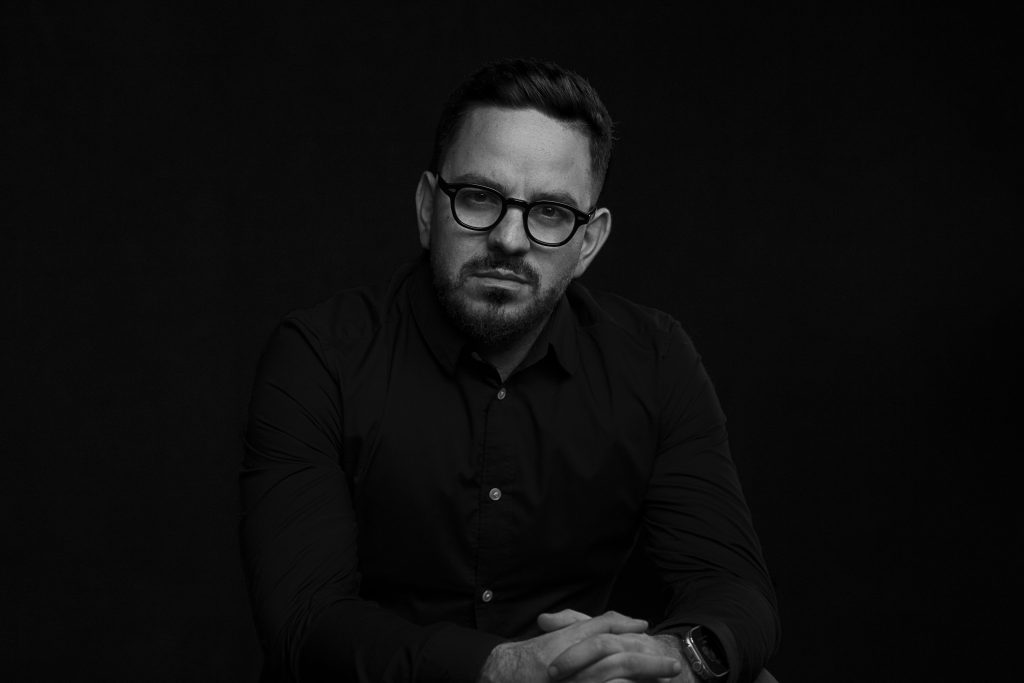
Andrei Pitis, CEO & co-founder Genezio

„The Bucharest Hackathon este mai mult decât o competiție, este o oportunitate de a crea, de a învăța și de a colabora cu oameni pasionați din toată țara, pentru a construi lumea digitală de mâine. Fiecare linie de cod poate ascunde o poveste fascinantă și suntem convinși că și această ediție a hackathon-ului va fi o experiență unică, plină de provocări și satisfacții, care le va oferi participanților ocazia să creeze povești unice pentru proiectele pe care le vor dezvolta. Bware Labs este în continuare alături de participanții care vor folosi tehnologia blockchain și așteptăm cu nerăbdare să vedem cât de ambițioase vor fi aplicațiile înscrise în această ediție.”, a spus Flavian Manea, CEO al Bware Labs.

Flavian Manea, CEO al Bware Labs

„Continuăm parteneriatul cu The Bucharest Hackathon, de data aceasta în calitate de partener principal. MultiversX oferă infrastructură robustă programatorilor care vor să-și pună în practică ideile. S-a dovedit deja că există un potențial uriaș din rândul participanților trecuți, așa că suntem încântați să vedem ce soluții construiesc concurenții din anul acesta folosindu-se de tehnologia pe care am dezvoltat-o. În plus, echipa MultiversX o să fie prezentă la eveniment pentru a mentora participanții și a contribui la îmbunătățirea proiectelor și, eventual, chiar a le aduce în ecosistemul nostru.” a precizat Daniel Șerb, VP of Business Development al MultiversX.

Daniel Șerb, VP of Business Development al MultiversX

The Bucharest Hackathon va avea loc în perioada 13-14 aprilie, la Teatrul Odeon, Sala Studio din centrul Bucureștiului, iar participantii vor sta peste noapte la locație pentru a lucra la proiectele lor. Înscrierile în program se pot face până pe 10 aprilie 2024.

La The Bucharest Hackathon programatorii pot lucra pe orice proiect software sau hardware care folosește tehnologiile blockchain, AI și DevTools. Echipele vor fi formate din câte 2-4 membri.

Partenerii principali ai evenimentului sunt companiile Bware Labs, Genezio și MultiversX, iar printre partenerii acestei ediții a The Bucharest Hackathon se află companiile Stripe, PiSquared, Google, XoXno, Amazon Web Services, Orange, Blue, Good Routine, Domeniile Averesti, Nespresso, Aqua Carpatica, Komoder.

În cadrul hackatonului vor fi oferite mai multe premii cu o valoare totală de peste 25.000 de dolari. Juriul este format din antreprenori din IT și executivi de top cu roluri în departamentele tehnice din companiile: genezio, Bware Labs, MultiversX, Stripe, PiSquared, Google, XoXno, Amazon Web Services.

The Bucharest Hackathon își dorește să devină un eveniment recurent în care programatorii să învețe unii de la alții și să lucreze împreună la rezolvarea problemelor globale încă nerezolvate, într-un cadru plin de distracție și creativitate, contribuind astfel la modelarea unui viitor mai frumos prin tehnologie.

Interview with Adina Teleucă: TOBORO PROJECT.  Startup from Romania accepted in the Founders Program in Paris

1. The Toboro project, initially a platform dedicated to the lending of objects between individuals, was designated in November 2021 as the winner of the Future Makers international incubator, organized by Social Innovation Solutions. How did you arrive at solutions for companies today, for the valorization of electronic waste (e-waste)?

Indeed, Toboro was born in Bucharest, Romania, in 2021, along with our participation in the Future Makers program. The entire experience of the founders in this project was somewhat atypical. Less than a year later, we decided to launch the mobile application directly in France, along with relocating part of our team there. From there began a new phase of learning and development through trial and error, as is typical for many startups.

For our project, the challenges were even greater since we chose to operate in a market where we had no previous experience. This entire process helped us better understand the problem we were trying to solve, as well as our customers’ needs. This led us to pivot from a C2C business model to a B2B model, addressing the same challenge – overconsumption that generates huge amounts of waste – to organizations.

2. Why did you choose France for Toboro development?

In the last year, we realized how important it is to be present in an ecosystem where people are familiar with the problems you are trying to address and who are aware of the impact of climate change on the economy. This topic is present here in the academic environment, in the public space, in the startup ecosystem, and also at the political level, which is reflected in dedicated programs that provide resources to those who want to innovate in this field.

Moreover, France is an important hub for entrepreneurs and is distinguished by its diversity and a significant international community that has chosen to develop their products and services here, especially in Paris. There is support from both the private and public sectors (La French Tech, BPI France), making France an attractive place for startups.

Although we would have liked Romania to be the country where we launched, even though we did not do so, we hope to see it ready to support entrepreneurs more. But beyond that, personally, I believe that today, more than ever, you can launch a business from any corner of the world. What characterizes an entrepreneur is determination and the ability to find solutions, regardless of challenges or the environment they come from. We can see, even in Romania, more and more entrepreneurs who are having a major impact, including internationally.

3. Unlike government programs and recommendations from environmental organizations, with Toboro you provide companies involved in the recovery of e-waste with immediate feedback of their actions, through statistics and data on the reduction of carbon emissions, the amount of raw materials saved or the financial value of their actions, as is the case with donations. How much does this data matter in motivating managers of organizations to engage in sustainability actions?

Data are extremely important in supporting the actions that companies undertake, and from the numerous discussions we have had with organization representatives, we have noticed that they also represent a great challenge. On the one hand, this need is accentuated as the deadline approaches for the new European directive on corporate sustainability reporting (CSRD) to come into force. On the other hand, the increasing pressure also comes from consumers and investors. According to the most recent study by PwC, 94% of investors believe that corporate sustainability reports contain statements that are not supported by accurate data.

Moreover, their interest in the impact of companies on the environment and society is also growing, 15% more than the previous year Last but not least, the lack of data makes it difficult, if not impossible, for companies to measure the impact of their actions and sustainability projects, with an impact in business (attracting talent, investments, etc.), not just at the image level.

Identifying all these problems, we have developed, together with one of the doctoral graduates in mathematics from MIT, our own calculation algorithm, which allows for greater accuracy than the estimates we can find on the market.

For this, we have built our own database, which integrates information about the emissions generated by each product, from different brands, from the production stage to commercialization. We complete this calculation with data collected from companies, about the duration and usage in the product’s life cycle within the organization.

4. What results have you recorded in the few months since the launch of the platform? Can you give us some names of companies and the impact of their actions on the environment?

We began developing our product based on feedback received from organizations we interviewed even before defining the final solution. This allowed us to collect useful insights about their problems and needs. However, we didn’t limit ourselves to just companies. The issue of e-waste cannot be solved without a holistic approach. Each party involved in a product’s lifecycle bears some responsibility.

We identified that, in the manufacturing and distribution stage, producers are not yet providing enough transparency regarding data that shows a product’s carbon footprint. We need this data to perform precise calculations and generate accurate results useful for sustainability reports. Continuing, existing databases (such as ADEME) offer a range of useful information, but even here, some of it is based on estimates. We continue to operate with a lot of approximate data and we believe it is also the role of legislation to impose more transparency and rigor in data transmission.

We have also expanded our study to the area of NGOs or partners (example: recyclers), as well as suppliers, thereby laying the foundations for what we want to be an ecosystem for the management of e-waste. In this ecosystem, we currently integrate actors from the corporate, non-profit, and public environments – who are usually the partners that take over electronic equipment to extend its life. At this moment, we have a pilot program – focused especially on laptop donations – in which companies from industries such as retail and banking participate, both from France and Romania.

On average, an organization that chooses to donate 100 laptops instead of sending them to the landfill can reduce its CO2 emissions by approximately 7,800 kg in the year of donation, and the calculation can also be extended to raw materials, water consumption, or the financial value of donations with an impact on the community.

For those interested in a personalized calculation, we invite them to www.toboro.io, where they can request such a report.

5. In your work, you also addressed the other side of sustainability, social responsibility, specifically diversity and inclusion (D&I). How is the Accessi+ project received by companies, through which you offer audits and solutions to improve the accessibility of website content for individuals with disabilities?

Web accessibility allows all individuals, not just those with disabilities, to navigate and interact with the internet. With the pandemic and the increased time spent online, this has become even more important. Fortunately, there is a legislative framework that ensures everyone’s equal access to information and communication technologies, which we can simply interpret as access to internet content.

These directives, as we know, are interpreted differently from one country to another. In France, for example, we already have an implementation methodology for the European standard EN301 549, which public institutions, public law entities, and companies with a turnover of over 250 million euros are required to follow. There is also a standard in Romania.

However, what motivates organizations to make their websites or mobile applications accessible is not just the fines for non-compliance, but also the opportunities they lose due to lack of accessibility: access to a larger customer base, the positive impact on CSR strategy, especially in the Diversity and Inclusion pillar, and even at the image level, showing care and empathy towards a disadvantaged population segment when it comes to navigating the internet.

6. You are preparing to enter the Romanian market. What are the expectations regarding the development of the two projects in the domestic business environment? What obstacles do you think you will encounter?

We are entrepreneurs, so we choose to have an optimistic approach. We believe it is very important for Romania to keep pace with global development and align with international standards. Even though progress is slower in certain sectors here than in other regions of the world, we observe a considerable openness from some organizations towards innovation, inclusion, and sustainability-related themes. Our businesses are based on a European and international legislative framework, which particularly helps us in discussions with organizations that are part of complex, international structures where sustainability is already integrated into the business strategy.

Locally, we already see a growing number of companies voluntarily making sustainability reports, as well as those engaging in actions with a positive impact on the environment and society. For us, this is an indicator that things are moving in a positive direction.

7. How do you see the role of technology in promoting sustainability?

I believe that technology is an important catalyst in promoting sustainability and provides us with tools that enable the measurement, analysis, and improvement of our impact on the environment. Therefore, we should transition to a stage where data accuracy, through traceability and transparency, becomes a reality. For instance, artificial intelligence and data analysis solutions allow us to more accurately assess carbon emissions and identify areas where we can reduce resource consumption.

Equally important is the fact that today, more than ever, technology plays a vital role in increasing public awareness and engagement. Online platforms and social networks enable us to disseminate information about sustainable practices and create a global community united around sustainability values. However, there is equally a risk of greenwashing when it comes to online platforms.

I am convinced that technology will be more than a facilitator and will enable us to address current climate challenges in smarter and more efficient ways.

Câștigătorii Sports Business Awards: 11 premii au fost oferite companiilor care susțin sportul românesc

Sport Business Awards, primul eveniment care premiază implicarea companiilor în susținerea sportului românesc, a avut loc miercuri, 27 martie în București. Au fost acordate 11 premiile companiilor, înmânate de mari sportivi ai României și jurnaliști sportivi. Peste 150 de manageri de top, antreprenori, sportivi, reprezentanți ai cluburilor sportive, investitori și jurnaliști au fost prezenți la gala inițiată și organizată de Albini Prassa și MVP Consultancy în parteneriat cu Camera de Comerț Elveția-România.

Banca Transilvania (sector bancar), OMV Petrom (industria petrolieră), Catena (retail farmaceutic), JYSK (retail de mobilă), Maspex (industria alimentară și a băuturilor răcoritoare), Raiffeisen Bank (sector bancar), Kaufland (retail alimentar), Sport Arena Streetball (organizare de evenimente sportive) și CSO Voluntari Baschet (club sportiv) au fost câștigătorii primei ediții Sports Business Awards. Dintre companiile premiante, Banca Transilvania și OMV Petrom au obținut câte două premii fiecare.

„Foarte multe companii din România au inclus în strategia de business susținerea sportului, cu efecte benefice multiple atât pentru afaceri, cât și pentru societate per ansamblu. Însă contribuția lor în cadrul unui sector atât de important pentru România rămâne adesea într-un con de umbră. Prin acest eveniment, ne-am propus să recompensăm sprijinul depus de mediul privat pentru susținerea sportului, pentru ca aceste exemple de bune practici să se multiplice și să contribuie la profesionalizarea modului în care sunt conduse organizațiile sportive. Iar ieri a fost făcut un prim pas în această direcție: unul dintre sponsorii galei a oferit o bursă în Elveția unui student român care se va specializa în managementul cluburilor sportive”, a declarat Ion Schiau, fondatorul companiei de distribuție de ceasuri Albini Prassa, membru în board și lider al grupului de lucru Sport în cadrul Camerei de Comerţ Elveția-România (CCE-R).

În România, mai puțin de 10% din populație este implicată în activități sportive, spre deosebire de Elveția, unde 85% din populație practică un sport în mod regulat. Cluburile sportive din România sunt finanțate în mare parte de la bugetul de stat, iar de multe ori aceste fonduri sunt insuficiente.

,,Este important ca orice companie din România să înțeleagă beneficiile aferente asocierii cu sportul, valoarea adăugată pe care o poate genera marketingul sportiv, atât pentru business, cât și pentru dezvoltarea societății, per ansamblu, ca mediu oportun pentru viitor.

Sprijinirea sportului înseamnă educație prin sport care influențează pozitiv o întreagă societate, devenind mai sănătoasă, mai sociabilă, mai bună, mai hotărâtă în atingerea obiectivelor și, evident, mai performantă. Prin urmare, implicarea companiilor în sprijinirea activităților sportive este esențială, iar eforturile companiilor trebuie recunoscute și popularizate”, a declarat Valentin Popescu, expert în marketing sportiv și partener al MVP Consultancy.

Susținerea performanței sportive în rândul copiilor și al adolescenților, implicarea angajaților în activități sportive, sprijinirea sporturilor paralimpice sau a performanței sportive, precum și finanțarea performanței înalte în sport sunt doar o parte dintre categoriile premiate la Sports Business Awards.

Lista câștigătorilor primei ediții a Sports Business Awards:

•           Cea mai bună companie care susține performanța sportivă în rândul copiilor și adolescenților: OMV Petrom

•           Cea mai bună companie care își implică angajații în activități sportive: Catena (Fildas)

•           Cea mai bună companie care susține sporturile paralimpice: JYSK

•           Cea mai bună companie care susține performanța olimpică: Maspex

•           Cea mai bună companie care susține performanța înaltă în sport: Banca Transilvania

•           Cea mai bună companie care susține sporturile de masă: Raiffeisen Bank

•           Cea mai bună companie străină care susține sporturile românești: Kaufland

•           Cea mai bună companie pentru consecvența în susținerea sporturilor românești de mai bine de un deceniu: OMV Petrom

•           Cea mai bună campanie de marketing sportiv inițiată de o companie privată: Banca Transilvania

•           Cel mai bun management de marketing de către o organizație privată în domeniul sportiv: Sport Arena Streetball

•           Premiul special al juriului: CSO Voluntari Baschet

Massimo Baggi, ambasadorul Elveției

Juriul pentru acordarea premiilor în cadrul Sports Business Awards a fost format din personalități din domenii precum sport, educație, business, ONG și jurnalism, respectiv: Mihaela Constantinescu, profesor de marketing sportiv în cadrul Academiei de Studii Economice din București, Ion Alexandru, redactor-șef al Eurosport, Gabriela Popescu, președinte al Rugby Club Gura Humorului/ Fundația Te Aud Romania, Ray F. Iunius, CEO al grupului educațional winsedswiss și Adrian Socaciu, președinte al Institutului Sportiv Român.
Grupul de lucru privind Sportul din cadrul Camerei de Comerț Elveția-România și-a propus ca, în următorii ani, să își dedice eforturile în vederea creșterii notorietății în ceea ce privește nevoia de implicare a sectorului privat în finanțarea sportului, după modelul elvețian.
Evenimentul Sports Business Awards a fost organizat aseară în București de Albini Prassa și MVP Consultancy prin Valentin Popescu, în parteneriat cu Camera de Comerț Elveția-România (CCE-R). Sponsorii evenimentului au fost One United Properties, Les Roches, Nestlé Romania, Borsec, Zarea, KIA, Synotech, Kinetic Sport & Medicine, Banca Transilvania, Elmas, Franck Müller și Sports d’Epoque.

Despre Camera de Comerț Elveția-România (CCE-R)

Camera de Comerţ Elveţia-România (CCE-R) este o asociație non-profit cu o istorie de 22 de ani în România, care are ca scop facilitarea relațiilor de afaceri între investitorii elvețieni și cei români și de a oferi informații economice și consultanță companiilor interesate să dezvolte afaceri în cele două țări.
În 2024, CCE-R a ajuns la un număr de peste 110 de companii membre care au peste 17.000 de angajați în România.
Susținută de Ambasada Elveției în România, CCE-R a devenit în ultimele două decenii jucătorul principal al relațiilor economice româno-elvețiene și a construit 10 grupuri de lucru menite să vină în sprijinul membrilor Camerei, dar și al comunităților în care aceștia activează.

Despre Albini Prassa
Companie cu rădăcini în Elveția și România, Albini Prassa și-a început activitatea locală în 2004, ca distribuitor de ceasuri elvețiene, primul brand fiind Tissot. Ulterior, compania s-a specializat în promovarea și consolidarea imaginii de marcă a partenerilor internaționali reprezentați precum Bulgari, Franck Müller, Laurent Ferrier, Urwerk, Louis Erard, ZRC, Bomberg și Tissot.
Albini Prassa a fost inițiatorul unor colecții și ediții limitate pentru România precum TISSOT România 1918-2018, TISSOT Stejarii și Stejarul de Aur, Bomberg Loop, QlockTwo România edition și TISSOT Heritage Săgeata și Undone FC Rapid 100 ani.
În 2018, Albini Prassa a intrat pe piața de retail, lansând treptat distribuția B2B, prin intermediul Maison Albini Prassa, un loc dedicat timpului, unde experiența de brand este una dedicată și personală.

Despre MVP Consultancy

MVP Consultancy este o companie antreprenorială tânără care oferă servicii de consultanță în afaceri: strategie generală de afaceri și marketing sportiv.
MVP Consultancy ajută companiile să acționeze diferențiat printr-o strategie de afaceri bine concepută și o implementare excelentă, în vederea obținerii, printr-o manieră etică, de avantaje competiționale cu mare impact.
Valentin Popescu, consultant în marketing sportiv, partener MVP Consultancy, este un lider în industria sportului, orientat spre rezultate, cu peste 20 de ani de experiență profesională extinsă în marketing sportiv și o rețea largă în întreaga industrie.
Valentin Popescu a fost declarat „Cel mai bun specialist în marketing sportiv din România” și a fost onorat să fie distins cu numeroase premii datorită implicării sale în susținerea sportului românesc.

„Good Day – Little Volunteer Day on Via Transilvanica!”: Training the new generation of volunteers

Volunteering in rural areas can have a significant impact on fostering behaviors that contribute to environmental protection and the development of a sense of unity within the community. Through the „Good Day – Little Volunteer Day on Via Transilvanica” project, Tășuleasa Social Association, in partnership with Coca-Cola HBC Romania demonstrate that when key elements such as community, national projects, and strategic partnerships are coming together, the results translate into thriving and sustainable communities.

The project began as a Christmas philanthropic initiative for vulnerable children and evolved into a systemic intervention that combines actions for education and the promotion of environmental responsibility. Four key elements laid the foundation for this year’s edition: the communities along Via Transilvanica needed opportunities to connect, Via Transilvanica trail – the largest project that put Romania on the map as a top destination in ecotourism, with a continuous need for conservation, and a strong partnership with Coca-Cola HBC, whose commitment to creating a better world „After Us” became a common goal. In addition, data from studies confirmed the need for education and the creation of opportunities: 70% of teachers believe that rural schools do not equip students with the necessary knowledge to understand climate change and take individual measures.

The „Good Day – Little Volunteer Day on Via Transilvanica” took place over a period of 6 months of preparations and actions focused on three strategic steps:

SYSTEMIC PARTNERSHIPS: Over 100 educational units and 3 local authorities were invited to join the project and spread educational content in schools.

EDUCATION AND TRAINING OF VOLUNTEERS: Groups of VOLUNTEERS from Via Transilvanica were formed by selecting them from over 35 rural schools that later participated in environmental education sessions.

ACTION AND CELEBRATION: The largest simultaneous clean-up action took place in 110 localities along the Via Transilvanica route in the counties of Mureș, Suceava, and Bistrița. Over 1000 km of the route were cleaned with the help of 3000 volunteers.

The results of 2023 confirmed once again that the power of systemic partnerships can contribute to shaping the new generation of environmental volunteers in rural areas: 3000 volunteers, 3 counties, over 1000 km cleaned, 25,000 kg of waste collected, 2 landfills eliminated; 260,000 indirect beneficiaries.

Good Day – Little Volunteer Day on Via Transilvanica was awarded with the Gold Award for Excellence in the Environmental Communication category and the Silver Award for Excellence in the CSR category, at the PR Awards 2023 Gala.

Via Transilvanica, the project of the Tășuleasa Social Association initiated in 2018, represents a 1,400 km tourist and pilgrimage route that starts from Bucovina, from Putna, crosses Transylvania and ends at Drobeta-Turnu Severin. The aim of the project is to highlight the cultural-historical and natural riches of Romania, both at national and international level.

Via Transilvanica passes through ten counties, areas of great cultural, historical, and natural importance, being at the same time a real catalyst for the cultures that have coexisted for centuries in our country.

Interview with Gabriel Ivan: A Creator and Promoter of Sustainability, side by side the FMCG And Retail Sectors

CHEP, a Brambles company, the biggest sustainable logistics solution supplier and one of the biggest B2B circular businesses globally, is the first in its sector to have a regenerative sustainability vision. As pointed out by Gabriel Ivan, Country General Manager CHEP Romania & Bulgaria, the company is a committed advocate and partner in promoting the highest standards in sustainability of the FMCG and Retail sectors.

1. What is your approach in terms of the regenerative sustainability concept?

We are acting within the framework of our current five-year regenerative centered strategy, that target areas where our business can have the most positive impact to support the ‘decade of action’ on the United Nations Sustainable Development Goals (SDGs). In simple terms, it is a strategy that aims to give back more than we take and we need, to become positive by creating more and more value.

Our commitment is to get nature-positive by 2025 through restoring forests, going beyond zero waste, and drawing down more carbon than we produce. For becoming business-positive, we will pioneer regenerative supply chains by improving our circular model every year, increasing the environmental benefits in our customers’ supply chains. To be communities-positive, we will build resilience, promote circularity and account for the connections between society, the economy and nature.

2. What are your long-term objectives and the company evolution since you launched your strategy?

We are now building a business that helps create a nature positive, a business positive, a community positive economy with re-use, resilience and regeneration at its core. And we have a consistent track record of delivering results against our targets. This help us attract customers and investment by minimising risks and increasing confidence in long-term value creation, differentiate our customer value proposition to become strategic partners, attract and retain the best people, but also to identify best practices and areas of improvement which ultimately bring year on year growth.

3. You engaged to reach the carbon neutral level by 2040, ten years before the objective that had been set in the Paris Agreement. What does this mean?

To support the Paris Agreement, we decided to adopt short-, medium- and long-term emissions reduction targets, including using 100% of renewable electricity in our own operations by 2025, maintaining carbon neutrality across our operations, aligning with 2030 Science Based Targets and a 2040 Net-Zero target covering 100% CHEP’s and Brambles’ operational and value chain emissions.

4. What measures have you taken to optimize your communication with all participants to the value chain?

We are a supply chain solutions’ supplier both for production and distribution companies in FMCG as well as for retailers. This placed us in a great position to promote the transition to the circular economy, as well as one-off projects such as Lean&Green or the CHEP issued Sustainability Certificates.

We welcome and support any company willing to promote the benefits of circularity and its yearly progress in terms of environmental savings, in one-off communication projects and annual reports. And we remain open to debate and embrace creative and collaborative ideas and solutions from the industries we are connected with. All our clients and partners are invited to participate to this journey to regeneration.

The Azores has launched Community Index Magazine 2023, a yearbook now in its fifth edition, the most important bilingual publication dedicated to the field of CSR in Romania

>>> Community Index Magazine is the only Romanian-English bilingual publication in Romania dedicated to the field of CSR, available in both flip view and print formats. The yearbook includes the results of the Community Index 2023 ranking, exclusive national and international interviews, case studies and sustainability articles.

>>> Readers can enjoy exclusive articles and interviews that highlight the perspectives of recognized leaders from BCR, University of Wisconsin, Kaufland Romania, The Slow Movement or Seeds of Wisdom.

>>> The publication promotes and encourages the adoption of the UN Sustainable Development Goals to support Romania in its efforts to implement the 2030 Agenda.

Community Index Magazine: a source of quality know-how for any professional with a sustainable mindset

The bilingual Community Index Magazine yearbook, now in its fifth edition, contains the results of the Community Index 2023 ranking, exclusive interviews with renowned international professionals, articles and interviews with local professionals in the fields of sustainability and CSR, and numerous case studies of some companies that are considered benchmarks for their community projects.

The publication is particularly useful not only for professionals in the field but also for companies, CEOs, Marketing professionals, community members, NGOs, universities, PR agencies and authorities.

The publication in flip view format is available for free at the following link: https://communityindex.ro/community-index-magazine-2023/

What type of content do readers find in Community Index Magazine?

1. Exclusive interviews with globally recognized sustainability experts:

  • Riane Eisler, The Real Wealth of Nations
  • Wakanyi Hoffman, Seeds of Wisdom
  • Jessica Leclair, University of Wisconsin–Madison School of Nursing
  • Carl Honoré, The Slow Movement

2. Articles and interviews with nationally recognized professionals:

  • Ilinka Kajgana, BCR
  • Katharina Scheidereiter, Kaufland Romania
  • Gabriel Ivan, CHEP
  • Adina Teleucă, TOBORO

3. National and international case studies:

  • “Good Day – Little Volunteer Day on Via Transilvanica!”, Coca-Cola HBC Romania & Tășuleasa Social Association
  • The Giant T-shirt, Kaufland Romania & 11even Association
  • Phasing out plastic, Apple
  • The Money School, BCR, FabLab & Edupedu Association
  • Personal Sustainability Program (PSP), Auchan Romania
  • Our Garden, Carrefour Romania
  • Life Savers Program, Groupama Romania & The Foundation for SMURD
  • Kokoro Sports Project
  • Jobs for veterans, Starbucks
  • Microsoft’s New BING

What is Community Index?

Community Index is the first and only ranking of programs and projects carried out by companies in Romania to invest in communities, launched in 2019. The ranking is the largest database of CSR projects in Romania and represents a useful analysis tool for companies, authorities and communities when making investment decisions.

It is a component of the ranking Romania CST Index (previously Romania CSR Index), the most important analysis of the level of performance and transparency from the perspective of corporate sustainability, in our country, launched in 2016.

There is a wide variety of initiatives and projects on the market, and a well-structured overview provides relevant information to help decision-makers create a strategy well adapted to the local and national context.

In order to establish the projects that were included in the Community Index 2023, more than 800 initiatives, projects or programs that took place in Romania between January 2022 and December 2023 were analyzed. The scorecard on the basis of which the evaluation was made had, in total, 6 categories and 46 indicators aligned with the most important international standards or references in the field of investments in communities.

What new findings did the 2023 analysis reveal?

The investment and donation market in support of communities has grown in recent years and amounts to over 80 million euros annually, mainly for Education projects for students (9.4%, a slight increase of 1% compared to 2022), Health (6%, down from last year) or Disadvantaged environments (23%, up 5% from 2022). Another area of interest for companies is Art/Culture, 10% of projects being developed in this direction, increasing compared to 9.2% in 2022. However, 4% of the projects carried out by companies in Romania are intended to combat Climate change, decreasing by 1% versus 2022, and 1.5% of the projects are in the direction of Sustainable cities, down from 4.4% in 2022.

Among the main trends highlighted following the analysis, we mention an increase in the level of transparency regarding the results and impact of CSR projects or programs. Also, companies are beginning to better align the Sustainability / CSR strategy with the specifics of the industry and the business strategy. As for the employees, they are more eager to help communities and appreciate companies that offer them the opportunity to volunteer for projects. Another observed trend is the fact that there is an increased interest in long-term goals: companies put more emphasis on generating impact over several years and avoid creating a dependency of the community – they focus on developing skills or an infrastructure that will remain in the community even after a company redirects its investment to other projects.

Among the projects that obtained Gold Recognition, we mention the Lifelab Educational Project developed by BCR, FabLab & Edupedu Association, in the Financial Education category – by participating in this program, students learn financial education concepts and practice planning and teamwork. In the Employee Involvement category, Auchan’s Personal Sustainability Program (PSP) was built as an effort to mobilize employees to get actively involved in projects supporting local communities. In the Reduce, Reuse, Recycle category – Banca Transilvania and Ateliere Fără Frontiere developed the Remesh project and fight for the social and professional insertion of vulnerable and marginalized people. Together in the Service of Good, a project developed by Secom Healthcare Group through which several initiatives in the field of health were supported, also received Gold Recognition in the Health category.

The year 2023 comes with a new Community Index distinction: for each individual category, we propose The One to Watch distinction – a special recognition to highlight the originality and innovation of projects that set an important trend for the coming years, in their field. Among the projects mentioned in this category were YOXO Forest – The first digital forest that became a reality, 100 business ideas for Romania – PENNY Romania or Self-confidence is learned in school – Oxygen.

Where are the ranking results published?

The 2023 results can be found both in the flip view and print Community Index Magazine yearbook, as well as online: https://communityindex.ro/rezultate-community-index-2023/

What are the objectives of the Community Index ranking?

The mission of the Community Index is to highlight CSR projects with high performance that place more emphasis on aspects such as dialogue with stakeholders, project sustainability and measurement of medium and long-term impact. In addition, the index aims to highlight those projects that can be considered Best Practices in their category and that can be used as an example in establishing the strategy of a new project.

The Community Index Magazine yearbook is the contribution of The Azores Sustainability & CSR Services agency to the development of the field of Community investments in Romania.

In addition to know-how and authentic content, this publication concretely contributes to the popularization of the concept of sustainability in the business environment: a part of the printed yearbooks will be offered, free of charge, to companies with over 500 employees (>750 companies). In addition, the flip view version will be available for free, to popularize the domain and contribute to its development.

FSC® certified paper from sustainable sources was used for printing the publication. The yearbook provides both valuable information and an authentic visual experience in itself. The cover of the publication is created by Ovidiu Solcan (collage artist), being a sustainable collage from recycled magazines, representing the Masterpiece “The Kiss”, made by the sculptor Constantin Brâncuși in 1907.

*****

About The Azores Sustainability & CSR Services

Consulting agency, established in 2013, with the aim of supporting Romanian companies regarding the integration of corporate sustainability in the business strategy, The Azores Sustainability & CSR Services has an approach focused on long-term results, the use of IT technology for a high level of accuracy of sustainability indicators and analysis/research to support decision-makers in companies in defining the corporate sustainability strategy.

The most important and complex project of the agency is Romania CST Index, previously called Romania CSR Index, a ranking launched in 2016 and which is the only one in Romania that evaluates the sustainability indicators of companies: information on sustainability management, economic, environmental and social impact. The index is launched every year during the Best Practices in Corporate Sustainability conference. The results together with Sustainability Profiles of Romanian companies are presented every year in Sustainability Index Magazine, a bilingual yearbook dedicated to sustainability & ESG in Romania.

In 2019, the agency launched Community Index, the most comprehensive ranking of corporate investment projects in communities and a centralizer of the best CSR campaigns carried out every year by Romanian companies.  The results of the ranking, together with case studies and interviews of national and international experts, are presented every year in Community Index Magazine, the only bilingual yearbook dedicated to investments in communities carried out by Romanian companies.

Riane Eisler: A Caring Economy based on Partnerism

Riane Eisler: A Caring Economy based on Partnerism

Riane Eisler is a walking story. A social systems scientist, cultural historian, and futurist, whose research, writing, and speaking and groundbreaking contributions have transformed the lives of many worldwide. Riane is the recipient of many honours, such as the Distinguished Peace Leadership Award earlier given to the Dalai Lama, and is included in the Great Peacemakers books as one of 20 leaders for world peace, along with Mahatma Gandhi, Mother Teresa, and Martin Luther King.

She is the author of many books, including “The Chalice and the Blade”, “The Real Wealth of Nations”, and “Nurturing Our Humanity”, which focus on her innovative whole-systems research that offers new perspectives and practical tools for constructing a less violent, more egalitarian, gender-balanced, and sustainable future. Riane is the President of the Center for Partnership Systems, which provides practical applications of her work, and editor-in-chief of the online Interdisciplinary Journal of Partnership Studies published at the University of Minnesota.

In this exclusive interview for Community Index Magazine, Riane discusses the key role women play in a nation’s quality of life and the economic value of caring for people and for nature.

1.Your work and books, including the internationally acclaimed “The Real Wealth of Nations”, have inspired and transformed the lives of many worldwide. You are championing the “Partnership System”, focused on building a more equitable, sustainable, and less violent world based on Partnership rather than Domination. Can you briefly describe what this concept means and why domination systems are “trauma factories”?

We are all familiar with domination in our own lives: top-down relations backed up by fear of pain, whether it’s physical, economic, or emotional pain. What we may not yet be familiar with is the family, social, and economic configuration of systems based on domination, or that this configuration heavily depends on what is internalized by us as normal, even divinely ordained, in our intimate family and gender relations.

Our conventional social categories such as right/left, religious/secular, Eastern/Western, capitalist/socialist (all of which we inherited from times when domination in families, economics, and all social institutions was generally accepted) do not let us see this configuration. Nor do they make it possible to see that there is an alternative to domination-oriented societies: the partnership configuration.

Only as we start connecting the dots, which requires including the majority of humanity – women and children – and the millennia of our prehistory, does all this become evident. Why? To begin with, neuroscience shows that what happens in children’s first five years impacts nothing less than how our brains develop, and with this how we think, feel, and act – including how we vote. This means that the nature of family relations, which are marginalized in conventional social studies and categories, are key elements of the interactive, mutually supporting configurations of either a partnership or domination-oriented system.

Our siloed, fragmented education makes it hard to see all this, so it is easier to understand it from a visual that shows these contrasting configurations.

All of which takes me to your second question: why domination systems are trauma factories? Through the lens of the partnership/domination social scale, we see that traumas start in domination-oriented families. These are families that are authoritarian and highly punitive, where male dominance is the ideal norm. Consider that Putin enacted a new law that lowered the penalty for family violence in Russia so that if you hurt or kill a child or other member of your family your penalty is lower than if you hurt or kill a stranger! Putin recognized the connection between families that use violence or the threat of violence as a means of control and a state that does the same. These are not coincidences, they are patterns!

Other institutions in domination-oriented systems also create trauma. For example, physical punishment of children in schools, such as caning, used to be the norm in the West and still is in much of our world, including some southern US states. This causes trauma, as does domination, top-down economics, which create artificial scarcities for most of the population – not to speak of the waste and destruction of resources through war and the failure to adequately support the “women’s work” of caring for children.

2.Gender equality is a key component of the partnership configuration. What alternatives are out there to injustice, cruelty and suffering?

In much of the West, in Canada, Europe, and the US, as well as in bits and pieces all over the world, there is a growing recognition of the importance of how the roles and relations of females and males (and everyone in between) are socially constructed. This recognition is basic to my research, which deviates from earlier methods that marginalize or leave out women and children. What my multidisciplinary, cross-cultural, trans-historical research shows is that how gender roles and relations are constructed is not, as we are still often told, “just a women’s issue” – in other words, a secondary matter. Actually, this is a key family, economic, and social organizing principle. So if we are to successfully build a future that is more just, sustainable, and humane, we must pay special attention to gender!

If we look around us, this is evident. In fact, those today trying to push us back to more rigid domination times pay special attention to gender, whether they are religious or secular, Eastern or Western, and so on. Consider religious societies like the Eastern Muslim Taliban or the Western Christian fundamentalists, where the subordination of women is clearly visible. Consider both fascist Hitler’s Germany and socialist Stalin’s USSR, where women and the “feminine” were culturally subordinated. Consider that these are all domination systems characterized by dehumanizing out-groups, whether “infidels” or Jews or people of colour.

The reality is that rigid male-superior, female-inferior gender stereotypes equate difference with dominating or being dominated, with being served or serving. This ranking of male and “masculine” over female and what is viewed as “feminine” is a template for in-group versus out-group thinking, and with it, as we see all around us, dehumanization and violence.

3.Based on your work findings, the Nordic nations seem to be more oriented towards a partnership system. How can a country like Romania bridge the gap between the willingness to implement the partnership framework and the reality on-site?

Yes, Nordic nations have more caring policies because they do not subscribe to the dominator norm of devaluing women and caring, which in domination systems is labelled feminine, whether in women or what are considered “effeminate” or “girlie” men. Romania has people who recognize that cultural systems and the values they normalize are human creations, and therefore can – and have been – changed.

Perhaps one way Romanians who want to move to a more just and sustainable world can start is by exposing that what we have been taught about our past is false.

”In reality, Balkan countries like Romania have a long prehistory of orienting more to the partnership rather than the domination side of the partnership-domination social scale.

This means spreading findings from archaeology, mythology, and even recent DNA studies, about our Western partnership prehistory. You can find much of that information in books such as “The Chalice and the Blade: Our History, Our Future”, now in 56 US printing and about 30 foreign editions. It is not yet published in Romania, though when it was recently republished in Spain, there were interviews and stories about it in all the major Spanish media.

4.How do you define the Caring Economy and what are the steps towards nurturing and caring for our planet and all the living systems on it?

As you noted, my book “The Real Wealth of Nations” details not only the problems with current economic operating systems, whether capitalist or socialist, but also proposes a caring economics of Partnerism.

Consider that both capitalism and socialism came out of early industrial times in the seventies and eighteen hundred – and we are today in the 21st century post-industrial knowledge-service age. So our current economic operating systems would be antiquated on that count alone. But the problem is deeper: both the “fathers” of capitalism and socialism perpetuated a gendered system of values: a system in which caring is coded “feminine” and hence out of bounds for the “real men” in charge. There is nothing in Smith’s or Marx’s writings about caring for nature, which both viewed as only there to be exploited. As for caring for people – for children, the sick, the elderly, for everyone – for both men and their economic theories, this work was to be done for free by a woman in a male-controlled household. Even in the mid eighteen hundreds, when Marx wrote, a wife could not sue for injuries negligently inflicted on her; only her husband could, for loss of her services! Not surprisingly both Marx and Smith called caring for people, starting at birth, and caring for nature, just “reproductive” rather than “productive” work – which is still taught in business and economics schools.

 It is also reflected in currently used metrics like GNP and GDP, where, for example, trees on which we depend to breathe, are only included when they are dead: as logs. Not only that, the work of care in households has only recently been valued through government policies like paid parental leave, pioneered by Nordic nations, and it is still available only in a few US states, rather than nationally, This devaluation of care work continues worldwide, even though a recent Australian study showed that if the unpaid work of care in households, still primarily performed by women for free, were included, it would be 50 per cent of the reported Australian GDP!

”So the first step is recognizing this fundamental problem. We need new metrics that show the enormous economic value of caring for people, starting at birth, and caring for our natural environment. Women and children are the mass of the world’s poor and the poorest of the poor, so shifting to a caring economics of partnerism that adequately rewards care work is essential if we are to reduce poverty.

So the first step is recognizing this fundamental problem. We need new metrics that show the enormous economic value of caring for people, starting at birth, and caring for our natural environment. Women and children are the mass of the world’s poor and the poorest of the poor, so shifting to a caring economics of partnerism that adequately rewards care work is essential if we are to reduce poverty.

It all starts with changes in consciousness. Let’s remember that all our gains in shifting from domination to partnership, from abolishing child labour and women getting the vote to even the idea that there is such a thing as human rights and that these must also be applied to protect the majority of humanity (women and children), all these gains were due to a small, in their time unpopular, dedicated group of women and men who were persistent and did not give up. We can each make a difference!

The interview was initially published in the bilingual yearbook Community Index Magazine no. 5. You can flip through it here: https://communityindex.ro/community-index-magazine-2023/

Katharina Scheidereiter, CSR Manager Kaufland Romania: We are interested that the message of a project reaches as large an audience as possible

Interview with Katharina Scheidereiter, CSR Manager Kaufland Romania:

Highlight: “We are interested that the message of a project reaches as large an audience as possible. It is important both for the NGO, which gains visibility, new opportunities, new volunteers, other sources of funding, but also for us, because community investments are a main pillar in the company’s corporate communication strategy, through which we aim to promote best practices in the market, increase reputation or attract new talents.“

1.What is the company’s current CSR strategy and how has it changed since you started?

Active involvement in the communities in which we do business has always been a priority for us, and our commitment has intensified as we have evolved. During 2022, we have strengthened the support given to the five strategic directions of community investments, focusing on projects aimed at education, environmental protection, social issues, sports and health, as well as promoting culture.

We particularly pursue large-scale projects with long-term impact, as well as innovative initiatives, united by a common goal: improving the quality of life in the community. We also quickly adapt to exceptional situations, such as the COVID19 pandemic or the war in Ukraine, and intervene according to needs. The most powerful example for adaptation is the In Stare sa Ajut call for projects, developed within the In Stare de Bine financing platform, which later became a permanent component and now functions as a funding mechanism for projects addressing pressing societal issues, such as consumption of drugs in adolescents.

In Stare de Bine is our annual NGO funding program. In the last 5 years, we have awarded non-refundable grants totalling 1,000,000 euros annually to winning projects and I am glad that, in 2023, we have allocated a budget of 1,200,000 euros.

2.Who are the stakeholders involved and how do you take their input into account?

For social responsibility projects, we collaborate exclusively with non-governmental organizations, with whom we develop and establish the forms of intervention or the appropriate ways of involvement.

Moreover, we consider that the non-profit environment is one of the essential stakeholders for CSR activity. At the same time, we annually ask our clients which social responsibility or sustainability topics are of particular interest to them in relation to the company’s activity, and then we integrate the results into our strategy. Every time we aim to always have a top 3 relevant themes in our action plan and in our communication.

3.Lately, there is a lot of talk about Impact Investing. Are there projects where you have this approach?

Regardless of the terms used, we at Kaufland have always aimed for the investments made to bring added value for the environment, people and society in the long term. As proof, for 5 years we have ranked first in the top of transparent and performing companies in the direction of sustainability at the national level, recognition offered by CST Index.

Moreover, 5 independent market studies, carried out by professional agencies, place us in the top of the companies that carry out sustainability projects at the level of the general public’s perception. This makes us happy but also makes us responsible to continue in this direction.

Whether it’s installing solar panels or green roofs on our stores, planting a network of urban mini-forests or developing measures to reduce food waste, our investments always aim for a consistent impact.

4.How do you measure the success of a program or project?

We have several indicators that we track both on the implementation side of community investment projects and for their visibility. From the pre-funding stage, we ask organizations to detail the identified need, the number of targeted beneficiaries and their geographical area, as well as the project continuation plan at the end of our funding.

We are interested in seeing that the organization has the capacity to implement the project and that the proposed objectives are realistic. And then in the reporting stage we look at the post-implementation data and see if there are notable differences and why these differences occurred, positive or negative.

For us, the greatest success is when the financed project manages to become financially independent, as is the case of „Sol și Suflet”, the first farm with regenerative agriculture in Romania and an educational center for future farmers, which in three years after the launch managed to support itself from its economic activity.

And at the communication level, we are interested that the message of a project reaches as large an audience as possible. It is important both for the NGO, which gains visibility, new opportunities, new volunteers, other sources of funding, but also for us, because community investments are a main pillar in the company’s corporate communication strategy, through which we aim to promote best practices in the market, increase reputation or attract new talents.

5.Do you have examples of communities that you have helped to develop over time, independent of the support offered at the beginning?

 We have strategic partnerships with non-governmental organizations with whom we have undertaken long-term interventions because change takes time. For example, in partnership with „Hope and Homes for Children” we have already built 5 family-type houses, and this translates into a home for over 100 children from the social protection system.

Another relevant example is in the area of the environment, which for us is a priority area, and where we intervene on several levels: firstly we are interested in the elimination of waste from nature and for this we have numerous greening actions with volunteers throughout the country.

Secondly, we make sure that we offer citizens the opportunity to develop responsible behaviors such as collecting recyclable containers at the separate collection machines in our stores, and we complement it with numerous education and awareness campaigns about the importance of environmental protection, aimed especially at the little ones.

The interview was initially published in the bilingual yearbook Community Index Magazine no. 5. You can flip through it here: https://communityindex.ro/community-index-magazine-2023/

Conferința privind Tranziția Justă, Bruxelles 4-5 Martie 2024

Consilierul de stat László Borbély a participat la Conferința privind Tranziția Justă în calitate de președinte al Rețelei Europene pentru Dezvoltare Durabilă

Ministerul Belgian pentru Climă, Mediu, Dezvoltare Durabilă și Pactul Verde European au organizat în perioada 4-5 martie, la Bruxelles, o conferință de nivel înalt pe tema mecanismului pentru o tranziție justă, sub auspiciile președinției Regatului Belgiei la Consiliul Uniunii Europene. Consilierul de stat László Borbély a fost invitat să ia cuvântul în sesiunea de nivel înalt în calitate de președinte al Rețelei Europene pentru Dezvoltare Durabilă (ESDN), funcție în care a fost ales la sfârșitul anului trecut.

„Se vorbește mult, la toate nivelurile de decizie, despre provocările pe care tranziția verde le aduce în ceea ce privește impactul socio-economic. România este una dintre țările direct interesate de evoluția acestui mecanism, având nevoie de investiții serioase pentru a balansa pierderile economice cauzate de reducerea emisiilor de carbon. Oportunitățile sunt strâns legate de finanțările pe care le avem disponibile, suntem a treia țară din UE în ceea ce privește fondurile alocate. La fel de important este că reușim să fim și un partener recunoscut pe zona dezvoltării durabile, astfel încât astăzi am avut ocazia să vorbesc în numele ESDN. Această organizație a fost înființată în urmă cu 21 de ani, iar de atunci a reușit să creeze un cadru foarte apreciat pentru calitatea expertizei furnizate, numărul mare de specialiști din administrație pe care îi aduce împreună și pentru facilitarea schimburilor de bune practice. Iată că, prin implicare și activitate intensă, avem ocazia să ne promovăm interesele alături de cei mai relevanți actori europeni în domeniul dezvoltării durabile.”, a declarat László Borbély

Peste 350 de participanți, inclusiv comisari europeni, miniștri, diplomați, reprezentanți ai angajatorilor și lucrătorilor, reprezentanți ai societății civile organizate, precum și ONG-uri din cele 27 de state membre, au răspuns invitației de a se alătura acestei Conferințe al cărei scop este de a contura așteptările pe care segmentele sociale le au de la viitoarea Comisie Europeană. Printre ideile cele mai vehiculate au fost necesitatea continuării finanțărilor pentru tranziția la economie verde, posibilitatea înființării unei instituții europene cu rolul de observator al Mecanismului privind Tranziția Justă, dar și menținerea competitivității economiei Uniunii Europene.

În marja conferinței, Consilierul de stat László Borbély, coordonatorul național al implementării Agendei ONU pentru dezvoltare duraiblă, a avut discuții privind progresul Românieie în acest domeniu cu doamna Zakia Khattabi, ministrul federal belgian pentru Climă, Mediu, Dezvoltare Durabilă și Pactul Verde European, și cu domnul Vesa Tarava, șeful unității pentru Pactul Verde European, din cadrul Secretariatului General al Comisiei Europene.

Community Index Magazine 2023, anuar bilingv ajuns la a cincea ediție: Cea mai importantă publicație dedicată domeniului CSR din România

  • Community Index Magazine este singura publicație bilingvă Română-Engleză din România dedicată domeniului CSR, disponibilă atât în format flipview, cât și print. Anuarul cuprinde rezultatele ranking-ului Community Index 2023, interviuri naționale și internaționale în exclusivitate, studii de caz și articole din domeniul sustenabilității.
  • În premieră, cititorii se pot bucura în această ediție de articole și interviuri exclusive care pun în valoare perspectivele unor lideri recunoscuți din cadrul BCR, University of Wisconsin, Kaufland Romania, The Slow Movement sau Seeds of Wisdom.
  • Publicația promovează și încurajează adoptarea Obiectivelor de Dezvoltare Durabilă ale ONU pentru a veni în sprijinul României în eforturile de implementare a Agendei 2030.

Community Index Magazine: o sursă de know-how de calitate pentru orice profesionist care are un mindset sustenabil 

Anuarul bilingv Community Index Magazine, ajuns la cea de-a cincea ediție, conține rezultatele ranking-ului Community Index 2023, interviuri în exclusivitate cu profesioniști internaționali de renume, articole și interviuri cu profesioniști locali din domeniile sustenabilitate și CSR, și numeroase studii de caz ale unor companii care pot fi considerate reper la nivel de proiecte pentru comunități.

Publicația este deosebit de utilă nu doar pentru profesioniștii din domeniu, ci și pentru companii, membrii comunităților, ONG-uri, universități, agenții de PR și autorități.

Publicația in format flip view este disponibilă gratuit la următorul link: Community Index Magazine 2023

Ce tip de conținut regăsesc cititorii în anuarul Community Index Magazine?

1.Interviuri în exclusivitate cu experți recunoscuți la nivel global din domeniul sustenabilității:

  • Riane Eisler, The Real Wealth of Nations
  • Wakanyi Hoffman, Seeds of Wisdom
  • Jessica Leclair, University of Wisconsin–Madison School of Nursing
  • Carl Honoré, The Slow Movement

2. Articole și interviuri cu pofesioniști recunoscuți la nivel național:

  • Ilinka Kajgana, BCR
  • Katharina Scheidereiter, Kaufland România
  • Gabriel Ivan, CHEP
  • Adina Teleucă, TOBORO

3. Studii de caz naționale și internaționale:

  • „Ziua Bună – Ziua Voluntarilor Mici pe Via Transilvanica!”, Coca-Cola HBC România & Asociația Tășuleasa Social
  • Tricou de uriaș, Kaufland România & Asociația 11even
  • Phasing out plastic, Apple
  • Școala de Bani a BCR, FabLab & Asociația Edupedu
  • Programul de Sustenabilitate Personală (PSP), Auchan România
  • Grădina Noastră, Carrefour Romania
  • Salvatorii de vieți, Groupama & Fundația pentru SMURD
  • Kokoro Sports Project
  • Jobs for veterans, Starbucks
  • Microsoft’s New BING

Ce este Community Index?

Community Index este primul și singurul index al programelor şi proiectelor derulate de companiile din România pentru a investi în comunităţi, lansat în 2019. Ranking-ul este cea mai mare bază de date a proiectelor de CSR din România și reprezintă un instrument de analiză util companiilor, autorităților și comunităților atunci când iau decizii de investiție.

Este parte componentă a ranking-ului Romania CST Index (anterior Romania CSR Index), cea mai importantă analiză a nivelului de performanţă şi transparenţă din perspectiva sustenabilităţii corporative, din țara noastră, lansat în 2016.

Există o mare varietate de inițiative și proiecte pe piață, iar o privire de ansamblu, bine structurată, oferă informații relevante ajută factorii decizionali să creioneze o strategie bine adaptată la contextul local și național.

Pentru a stabili proiectele care au fost incluse în Community Index 2023, au fost analizate peste 800 de inițiative, proiecte sau programe care au avut loc în România în perioada ianuarie 2022 – decembrie 2022. Scorecard-ul pe baza căruia a fost făcută evaluarea a avut, în total, 6 categorii și 46 de indicatori aliniaţi la cele mai importante standarde sau referinţe internaţionale din domeniul investiţiilor în comunităţi.

Ce noi descoperiri a scos la suprafață analiza din 2023?

Piaţa de investiţii şi donaţii în sprijinul comunităţilor a crescut în ultimii ani şi se ridică la peste 80 milioane euro anual, în principal pentru proiecte de educaţie pentru elevi (9.4%, o usoară creștere de 1% față de 2022), sănătate (6%, în scadere față de anul trecut) sau medii defavorizate (23%, în creștere cu 5% față de 2022). Un alt domeniu de interes pentru companii este Artă/Cultură, 10% dintre proiecte fiind dezvoltate în această direcţie, în creștere față de 9.2% în 2022. Totuşi, 4% dintre proiectele derulate de companiile din România sunt destinate combaterii schimbărilor climatice, în scadere cu 1% versus 2022, iar 1.5% dintre proiecte sunt în direcţia oraşe sustenabile, în scădere față de 4.4% în 2022.

Printre principalele trenduri evidenţiate în urma analizei, menţionăm o creştere a nivelului de transparenţă privind rezultatele şi impactul proiectelor sau programelor de CSR. De asemenea, companiile încep să alinieze mai bine strategia de Sustenabilitate / CSR la specificul industriei şi la strategia de business. În ceea ce priveşte angajaţii, aceştia sunt tot mai dornici de a ajuta comunităţile şi apreciază companiile care le oferă oportunitatea de a se implica voluntar în proiecte. Un alt trend observat este faptul că există un interes crescut privind obiectivele pe termen lung: companiile pun mai mult accent pe a genera impact pe mai mulţi ani şi a evita crearea unei dependenţe a comunităţii – se concentrează pe dezvoltarea unor abilităţi sau a unei infrastructuri care să ramană în comunitate chiar şi după ce o companie îşi redirecționează investiția către alte proiecte.

Printre proiectele care au obținut Gold Recognition, menționăm proiectul educațional Lifelab dezvoltat de BCR, FabLab & Asociația Edupedu, la categoria Educație financiară – prin participarea în acest program, elevii învață noțiuni de educație financiară și exersează planificarea și munca în echipă. La categoria Implicarea angajaților, Programul de Sustenabilitate Personală (PSP) Auchan a fost construit sub formă unui demers de mobilizare a angajaților de a se implica activ în proiecte de susținere a comunităților locale. La categoria Reduce, Reuse, Recycle – Banca Transilvania și Ateliere Fără Frontiere au dezvoltat proiectul Remesh și luptă pentru inserția socială și profesională a persoanelor vulnerabile și marginalizate. Împreună în Slujba Binelui, proiect dezvoltat de Secom Healthcare Group prin care au fost susținute mai multe inițiative din domeniul sănătății, a primit de asemenea Gold Recognition la categoria Sănătate.

Anul 2023 vine cu o nouă distincție Community Index: pentru fiecare categorie în parte propunem distincția The One to Watch – o recunoaștere specială pentru a evidenția originalitatea și inovația proiectelor care stabilesc un trend important pentru următorii ani, în domeniul lor. Printre proiectele menționate la această categorie au fost YOXO Forest – Prima pădure digitală devenită realitate, 100 de idei de business pentru România – PENNY România sau Încrederea în sine se învață în școală – Oxygen.

Unde sunt publicate rezultatele analizei?

Rezultatele din 2023 pot fi regăsite atât în anuarul în format flipview și print Community Index Magazine, cât și online: https://communityindex.ro/rezultate-community-index-2023/

Care sunt obiectivele ranking-ului Community Index?

Misiunea Community Index este de a evidenția proiectele de CSR cu o performanţă ridicată care pun mai mult accent pe aspecte precum dialogul cu stakeholderii, sustenabilitatea proiectelor şi măsurarea impactului pe termen mediu şi lung. În plus, indexul are scopul de a evidenția acele proiecte care pot fi considerate Best Practices la categoria lor și care pot fi folosite drept exemplu în stabilirea strategiei unui proiect nou.

Anuarul Community Index Magazine este contribuția agenției The Azores Sustainability & CSR Services la dezvoltarea domeniului investițiilor în comunități din România.

Pe lângă know-how și conținut autentic, această publicație contribuie în mod concret la popularizarea conceptului de responsabilitate socială în mediul de business: o parte dintre anuarele tiparite va fi oferită, în mod gratuit, companiilor care au peste 500 de angajați (>750 de companii). În plus, varianta flipview va fi disponibilă gratuit o lună de zile, pentru a populariza domeniul și a contribui la dezvoltarea acestuia.

Pentru tipărirea publicației a fost folosită hârtie certificată FSC®, din surse sustenabile. Anuarul oferă atât informații valoroase cât și o experiență autentică în sine, din punct de vedere vizual. Coperta publicației este creată de Ovidiu Solcan (collage artist), fiind un colaj sustenabil din reviste reciclate, reprezentând Capodopera ”Sărutul”, realizată de sculptorul Constantin Brâncuși în anul 1907.

*****

Despre The Azores Sustainability & CSR Services

Agenţie de consultanță, înființată în 2013, cu scopul de a sprijini companiile din România privind integrarea sustenabilității corporative în strategia de business, The Azores Sustainability & CSR Services are o abordare axată pe rezultate pe termen lung, utilizarea tehnologiei IT pentru un nivel ridicat de acuratețe a indicatorilor de sustenabilitate și analize/research care să sprijine decidenții din companii în definirea strategiei de sustenabilitate corporativă.

Cel mai important și complex proiect al agenției este Romania CST Index, în trecut denumit Romania CSR Index, ranking lansat în 2016 şi care este singurul din România care evaluează indicatorii de sustenabilitate ai companiilor: informaţii despre managementul sustenabilității, impactul economic, de mediu şi social. Indexul este lansat în fiecare an în cadrul conferinţei Best Practices in Corporate Sustainability. În 2019, agenția a lansat Community Index, cel mai cuprinzător ranking al proiectelor corporate de investiții în comunități și un centralizator al celor mai bune campanii de CSR derulate în fiecare an de companiile din România. Rezultatele ranking-ului, împreună cu studii de caz şi interviuri ale unor experţi naţionali şi internaţionali sunt prezentate în fiecare an în Community Index Magazine, singurul anuar bilingv dedicat investițiilor în comunități derulate de companiile din România.