Interview with Wakanyi Hoffman: The invisible force behind Ubuntu philosophy and storytelling

Growing up on the outskirts of Nairobi city, Wakanyi Hoffman’s childhood was filled with heartwarming folktales. She decided to become an Ubuntu Keeper of Indigenous Wisdom who shares her ancestors’ stories wherever she goes.

A storyteller, author, mother, African Indigenous Knowledge scholar, and global speaker, Wakanyi is a “global nomad” on a mission to teach children to embrace the whole world as their home. She is a board member at Seeds of Wisdom, championing indigenous elders’ wisdom and knowledge exchange and the founder of the African Folktales Project.

In this exclusive interview for Community Index Magazine, Wakanyi discusses the power of storytelling and the Ubuntu philosophy around the idea that the sense of self is shaped by your relationships with other people, a beautiful way of living that begins with the premise that “I am” because “we are.”

1. You are an African Indigenous Wisdom Scholar and a renowned keynote speaker on Ubuntu philosophy. As a global nomad, you have a rich intercultural experience that offers you a holistic perspective on the human condition. What are the essential lessons that make Ubuntu a way of life from which we can all learn to co-exist in harmony and peace? How does Ubuntu guide you in your own life and work, especially as a sustainability leader?

Ubuntu is a way of being authentic in your self-expression, honest about who you are, what your values are, and how you see yourself in the world through others and as part of the natural world. Some simple steps to apply it to your life are: performing small acts of kindness which can and do have ripple effects, being radically generous with no strings attached, going out into nature more often than you visit a coffee shop or a shopping mall, noticing the trees, flowers or birds and being grateful that these extensions of natural life exist.

I believe that, by noticing other life forms, your life becomes less about you, and more about the entire ecosystem in which all of life is possible. If you notice a tree in a park, you have an immediate connection to that larger life. You will also notice if the tree is missing and be compelled to do something about conserving the trees in your neighbourhood. You don’t need to buy carbon credits to save the trees in the Amazon if that’s not your ecosystem. The trees right outside your backyard are calling for your attention, too.

This understanding that we are extensions of all of the life around us is deeply rooted in my psyche. I believe strongly that my ability to decide what I care about paints a realistic image of where I am at in life, and gives me a chance to contribute practically to society. If I care about the wildlife in my neighbourhood – squirrels, birds, ducks, deer or any other, then I will be inclined to know more about their life, and this creates an immediate connection between me and the creatures in the world around me.

There is a story a friend shared about the way to becoming enlightened (the way of the Buddha), and he said: “The destination is the path.” Upon further inquiry, he explained that the earlier belief was that the path was the destination, meaning that one had to work towards becoming enlightened, whereas the latter (“The destination is the path”) means that one has it in themselves to embody the buddha-like qualities and then go about achieving them. In other words, the belief that you are already enlightened makes you embody the qualities of an enlightened being. If you think in regenerative terms, then you begin to act in ways that are regenerative. I think in a way this is descriptive of what Ubuntu is. You are born with ubuntu (humanness), and then you embody ubuntu qualities which enhance your life as you grow older. This idea resonates with me and that’s how I visualize the way I approach life.

2. Climate change can unleash a cocktail of emotions: anxiety, hopelessness, or even despair. What role does storytelling play in tackling this issue and dealing with these difficult emotions?

These emotions can also be the result of poor storytelling, in my opinion. It is natural to feel hopeless in the face of the alarming data and statistics about the quality of human life in the face of this looming doomsday scenario. However, can we also look towards the past and dig up some hopeful narratives? There are countless stories of how indigenous communities have averted similar crises using knowledge and wisdom that I believe are still accessible and relevant to modern society. What if we reimagined this doomsday scenario not as apocalyptic, but as optimistic – as a day of redemption, a day of reunification, a day of peace? If we can imagine this, we can walk into a brighter future. We can avert this crisis if we have a different story to tell.

I think a better imagination can dilute these feelings of anxiety and hopelessness and replace them with hope to activate our survival instincts. Collective imagination is our way out of this. A question I think we should ask when in despair is: “Where is hope?” Rather than focusing on despair, we can channel our efforts into creating a sense of hope. Hope gives way to action. If we can imagine solutions, then there is more hope and less anxiety. ”We often forget that we are all storytellers. The main character is yourself. What happens when we forget our roles as storytellers is that we then designate ourselves a passive role and leave someone else to tell our stories. This would be likened to a director handing out a film script to everyone but the main character, and then realizing that the main character’s role was never written!

3. You are an author of children’s books and the initiator of the African Folktales Project, an ongoing open-sourced resource of indigenous wisdom and knowledge for pupils. How did you manage to create a fusion of storytelling and sustainability educational content?

Initially, this was a Master’s thesis back when I was studying at UCL. I had this idea to collect folktales from Africa and use them to develop a curriculum to teach children about storytelling and build a bridge between African indigenous knowledge systems and formal education. I started to notice a pattern in these stories – they were all sources of solutions to the challenges of achieving the SDGs! This is how my idea to develop a “folktales for SDGs” curriculum was born. I have since taught at universities in the US (Brooklyn College and Presidio Graduate School) to educators and students and used African stories to introduce the SDGs in a way that is accessible to the public, beyond the confines of indigenous communities.

4. You believe that “seeing yourself as part of someone else’s story will bring justice to the world”. How important it is for children to find their reflection in books? What is the role of stories in changing the narrative from inaction to acting as conscious global citizens of the world?

Children are naturally receptive to external messaging, and this is why seeing themselves or not seeing themselves in stories is such a powerful way of empowering or disempowering them. Storytelling is the way that we convince ourselves of our relevance in this world. We are here because we have told ourselves that we belong here, on this planet. All traditions, cultures, and spiritual organizations have an original creation story. What happens when, in that creation story, you don’t see or hear your own one? Then you may as well not exist, or you actually don’t exist at all. That can be a source of an identity crisis. That is the tragedy of not seeing yourself in a story, and then by extension, not being included in someone else’s story.

Each story that you tell yourself includes different characters. You are always the main character, and everyone else plays a role. My mother plays the role of mother in my story, and in her story, I play the role of daughter. In both of our stories, we are each the main character. My mother will never become the centre of my story, and I’ll never become the centre of her story.

We must teach children to never forget the role of the main character. Even more important is to go beyond being the main character and the storyteller – you begin observing yourself, your behaviour, how you invent the characters in your story, how you treat yourself, and how you show up in life. That is a form of Ubuntu in action too, which is really mirroring your values with the storyteller. You then begin to mirror your authentic self to society. You can’t do this effectively if you’re not the storyteller of your story. Once you establish yourself as the storyteller, it becomes easier to assign yourself the main character, and to go beyond that to become a real observer, going beyond the identity of Me, Myself, or I. You become identified with all the other characters and all other beings.

Consilierul de stat László Borbély: Peste 600 milioane de euro, bani nerambursabili, vor fi puși la dispoziție pentru proiecte privind solurile sustenabile

Departamentul pentru Dezvoltare Durabilă din Guvernul României și Institutul pentru Cercetări în Economie Circulară și Mediu „Ernest Lupan” (IRCEM), au organizat pe 24 aprilie 2024, conferința „NATI00NS – SOLURI SUSTENABILE”. Evenimentul este parte integrantă în proiectul NATI00NS și reprezintă un prim pas pentru a sprijini lansarea misiunii Comisiei Europene „A Soil Deal for Europe”, 100 Living Labs and Lighthouses, spre soluri sănătoase până în 2030 și are rolul de a susține și de a promova procesele de conștientizare a importanței protejării și conservării ecosistemelor terestre.

„Agricultura este un domeniu de tradiție cât și un domeniu strategic pentru dezvoltarea durabilă a României. Iată că există oportunități concrete de finanțare: peste 600 milioane de euro, bani nerambursabili, vor fi puși la dispoziție pentru proiecte privind solurile sustenabile. Suntem a 6-a țară din UE ca suprafață agricolă și avem un potențial imens pentru a produce hrană sănătoasă. De aceea, ne bucurăm ca am reușit astăzi să fim gazda unei dezbateri foarte intense între toți actorii relevanți din domeniu. Sunt țări care deja dezvoltă astfel de programe și este păcat că România nu se află printre ele. În continuare vom depune eforturi să diseminăm informația către toate părțile interesate și să facilităm colaborarea multi-sectorială pentru ca agricultura României să beneficieze cât mai mult posibil de aceste oportunități. La nivelul Departamentului pentru Dezvoltare Durabilă, vom veni cu un sprijin consistent și prin coordonarea implementării Strategiei naționale și planului de acțiune privind economia circulară, în cadrul căreia agricultura are o comisie tehnică dedicată cu reprezentanți din toate punctele de interes.”, a declarat consilierul de stat László Borbély, coordonatorul Departamentului pentru Dezvoltare Durabilă.

NATI00NS acționează ca mesager al Misiunii, sporind gradul de conștientizare a părților interesate naționale și regionale, oferind acces la materiale și informații de consolidare a capacităților, stimulând discuțiile cu privire la cele mai bune configurații Laboratoare vii (LL) și proiecte far, pentru a răspunde nevoilor regionale de sol și încurajând colaborarea. IRCEM va fi, printre altele, responsabil de activitățile de consolidare a capacităților și de dezvoltarea Living Labs în Bulgaria, România, Republica Moldova și Ucraina.

Proiectele sunt fezabile mai ales pentru consorții care pot să includă o varietate de actori: universități, ONG-uri, institute de cercetare, asociații de fermieri. Foarte important este și condiția ca în cadrul unei aplicații să fie implicate minimum trei state. Pentru orientarea către parteneri și pentru mai multe detalii, poate fi accesată pagina proiectului: https://ircem.ro/2023/11/08/nati00ns-supporting-the-eu-mission-a-soil-deal-for-europe-across-national-communities/

Interview with Alice Schmidt: The Sustainability Puzzle Challenge

This interview was published in Sustainability Index Magazine 2023.

How Can Sustainability in Business Look Like

Alice Schmidt is a global sustainability advisor who has worked in 30 countries on 4 continents with 70+ organizations across sectors, deeply passionate about creating opportunities across the social, environmental and economic spheres.

We discussed with Alice about her new book, „The Sustainability Puzzle: How Systems Thinking, Climate Action, Circularity and Social Transformation Can Improve Health, Wealth and Wellbeing for All”, and her insights on how systems thinking, circularity, climate action and social transformation can improve health, wealth and wellbeing for all.

1. You are the co-author of „The Sustainability Puzzle” book, a useful and accessible read for all those who want to understand the links between social, environmental and economic issues and solutions. It has a touch of optimism which is often missing from today’s sustainability conversations. How did you manage to invite your readers to zoom out and look at the bigger picture before zooming in again?

Most of us work in silos and focus on a rather narrow set of professional questions and responsibilities. In sustainability, this sometimes leads to outcomes that do more harm than good. In the book, we highlight this with lots of real-life examples and some graphic art as well. For example, electric cars can be a piece of the puzzle, but only if they’re powered by renewables and only where they do not replace perfectly functioning conventional vehicles and the materials they are made of are sourced sustainability.

More importantly, by looking at the bigger picture, we realize that cities of the future should function without cars. Sustainable mobility is about walking, cycling and public transport – not about e-mobility only. Therefore, another piece of the puzzle is designing cities in ways that make sustainable forms of transport more attractive through parks and green space, cycling infrastructure and appropriate incentives, for example.

2. In your opinion, piecing together The Sustainability Puzzle in organizations is vital: it’s about doing justice to the breadth and depth of sustainability and balancing a systems perspective with concrete solutions. What is the key element that business leaders should consider to ensure that they are starting their sustainability journey right?

As a first step, business leaders must make the connection between people, planet and profits. What many have yet to fully grasp is that individuals and businesses alike depend on ecosystem services, the services provided by planet Earth to us for free.

By polluting, emitting greenhouse gases and using non-renewable materials we are not actually destroying the planet – the planet doesn’t need us humans. What we’re destroying is the ecosystem’s ability to provide to us the conditions we need to thrive and survive.

3. As a keynote speaker, you often talk about topics such as multi-solving, planetary health, social impact, and especially sustainable business and ESG. Why do you think sustainability has become such an important component of strategic leadership thinking? How does your audience feel after hearing your insights on creating a better future by addressing global challenges today?

Indeed, both when giving talks and when advising my clients I emphasize that sustainability is not about putting social versus economic or environmental issues. It’s about finding win-wins – and sometimes triple wins – for people, planet and profits.

Let’s take the example of urban mobility again: investing in green space rather than roads improves people’s health and well-being. It makes them feel safer and more inclined to walk and cycle. By doing so, they contribute to saving taxpayers’ money that’s otherwise necessary for building and maintaining car infrastructure. At the same time, injuries through traffic accidents go down, and air pollution – a major problem in many cities around the world – decreases as well, improving people’s health even more. Moreover, all that walking, cycling and taking public transport keep people active and engaged with their communities, another important factor in their health.

So, there is a virtuous circle, as urban spaces become more attractive for pedestrians and cyclists, decreasing the need for car travel even more. Having cars in urban centres is very last-century I find, but many politicians have yet to discover this.

This is why sustainability has become so important for leaders: well, they are beginning to see the business case. Firstly, regulation is tightening, secondly, they feel pressure from suppliers and customers. Employees, too, are interested in sustainability and young people in particular want to work for sustainable companies – they’re even willing to accept lower incomes if they feel good about the company they work with. Banks and investors are also demanding transparency. All of this makes the business case even clearer. Real leaders recognize that in a context of rising pressure and increased transparency, greenwashing is not the answer. In fact, portraying yourself in a much greener, better light than you really come with considerable risks. True sustainability leaders recognize that they better invest resources in really scrutinizing their business models than only in green marketing, and they do not shy away from transformational change.

My audiences often tell me about “lightbulb” moments as they begin to make the connection between people, planet and profits. They welcome the evidence-based but optimistic approach, neither naïve nor lacking in seriousness.

4. In order to ensure success and profit, thorough research is necessary when setting up sustainability projects and programs. This involves analyzing stakeholders, identifying and assessing potential partners, and understanding the socio-economic or cultural environment. How does efficient monitoring look like? Why is it essential to see whether all elements are on track and to address those that are not?

Indeed, sustainability success requires keeping on top of evidence, setting goals and monitoring. Not all aspects of sustainability are straightforward to measure. Yet, you cannot manage what you do not measure, so measuring is essential. In order to do this effectively and efficiently, I usually recommend my clients to focus on a few, impactful levers, and to rather measure and monitor some key indicators well than to spread themselves too thinly. Importantly, they must look at outputs and impact rather than at activities and inputs only.

Sustainability has become a really hot market, so providers of certification and support have mushroomed all over the place. It is important for companies to choose wisely whom to partner with. Often, well intended is not the same as well done. At any rate, collaboration – across silos, sectors and industries – is essential for sustainability success.

Interview with Cosmin Ghiță, CEO Nuclearelectrica: The Future of Nuclear Energy in Romania

This interview was published in Sustainability Index Magazine 2023.

Nuclearelectrica on the benefits of nuclear energy and current projects

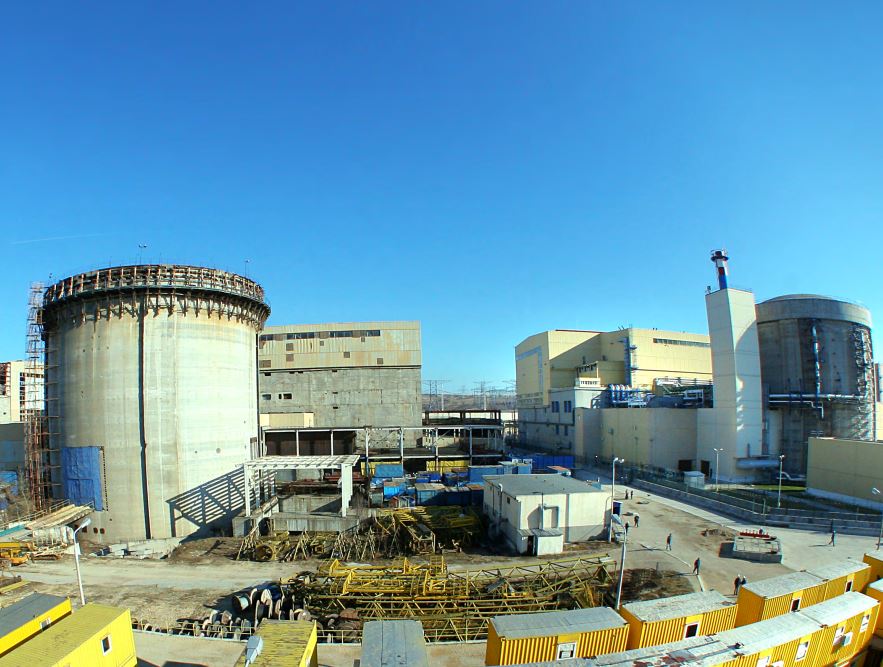
In 2022, Nuclearelectrica announced a strategic partnership for the development of the first small modular reactor (SMR) in Romania, in Doicești, Dâmbovița county. The reactor built by the American company NuScale received the approval of the US Regulatory Commission in 2020 and is the most mature SMR technology on the market.

In the discussion with Cosmin Ghiță, CEO Nuclearelectrica, we learn about the strategic importance of the SMR project for positioning Romania as a future leader in the production and assembly of SMR components and in the training of specialists in the field. We also review the benefits of nuclear energy and its contribution to Romania’s energy mix, as well as other ongoing Nuclearelectrica projects.

1. In 2021 you launched a new mission: „Building a sustainable future for tomorrow’s generation”. What role did the company assume in this new context and what innovations did it bring at the operational level?

The company’s vision includes 3 major action coordinates:

• The re-energization of Romania through clean energy, up to 66% after 2031, through the three strategic energy projects in different stages of development: Refurbishment of Unit 1, Units 3 and 4 Project, and the Small Modular Reactors Project;

• “Nucleus of Excellence”, the human resources platform dedicated to the growth of a generation of specialists, oriented towards attracting and developing a unique career for young people in Romania;

• “Nucleus of care”, a platform through which we provide support for development in three strategic areas: education, health, and environmental protection.

Together, these directions have the role of building a sustainable future for tomorrow’s generation. It is the DNA of the nuclear industry, the intrinsic value of an industry in full development program.

2. In what way has nuclear technology advanced in Romania in recent years?

The nuclear industry’s innovative answer to the needs of the system, energy security, complementarity with renewable sources, advanced nuclear safety and flexibility is the small modular reactor (SMR).

Currently, there are more than 10 SMR projects announced in Europe and North America (US, Canada, UK, France, Romania, Poland, etc.) with estimated commissioning by 2035 and more than 70 SMR technologies in development worldwide.

The NuScale technology, the one that Romania will implement, is the most mature from the perspective of implementation. For Romania, the opportunity to be among the first countries to develop SMR technology comes with numerous benefits for the development of the local nuclear industry and the supply chain for the production/assembly of NuScale technology components to Central and Eastern European states.

With over 26 years of experience operating at the highest standards of excellence, Nuclearelectrica has the opportunity to become a regional NuScale technology operator, as well as a regional center of excellence in operational training. In this sense, we will implement a NuScale simulator at the Bucharest Polytechnic University and launch regional operational training programs.

3. What are the benefits of nuclear power in the context of climate and energy security objectives?

Among the benefits of nuclear energy, we list the following:

• It is available 24/7, regardless of weather conditions

• It is a clean, safe, resilient and affordable source of energy

• Globally, nuclear power covers 10% of total electricity needs

• Nuclear power generates 50% of electricity with low greenhouse gas (GHG) emissions

• The nuclear industry in the EU supports 1 million jobs

• Globally, nuclear power prevents the release of 2 billion tonnes of CO2 annually, equivalent to the production of 400 million cars

• It is competitive: nuclear power is one of the cheapest forms of energy

• It is essential to the decarbonation mix; renewable sources can have an effective impact only in conjunction with nuclear energy due to their intermittent nature

• It is essential to the energy mix of the future; the energy sector is the main source of CO2 emissions, and climate change experts recommend increasing low-CO2 sources from 30% to over 80% in 2050

• Nuclear energy saves raw material; by recycling fuel, primary resources are effectively managed, and by recycling uranium and MOX fuel, a 30% saving of raw material can be achieved; globally, 96% of spent fuel is recyclable (95% uranium, 1% plutonium)

• Nuclear energy protects health; there are no emissions of fine particles, nitrogen dioxide, sulfur dioxide, nitrates or phosphates into the atmosphere

4. What major projects have you developed lately?

The Refurbishment of Unit 1, the Project of Units 3 and 4 CNE Cernavodă, and the Project of Small Modular Reactors. The company’s strategic projects are, at the same time, a priority for Romania in relation to the need to increase energy production capacities without CO2 emissions, ensuring energy requirements and independence, and achieving decarbonisation targets, consumer protection, socio-economic development, supply chain development, and Romania’s positioning as a leader in the implementation of new nuclear technologies in the region.

5. In what way did you find useful the development of corporate governance as a coagulation factor and effective integration of all processes at the SNN level?

The implementation of corporate governance rules ensures a transparent decision-making process, based on clear and objective rules designed to lead both to internal coherence and accountability, but also to increasing the level of trust of all categories of stakeholders.

6. In 2022, you published your fourth sustainability report. What changes did the development of such a report produce in the company?

Nuclearelectrica’s management has a holistic approach to including ESG criteria in the company’s strategy and development plans. This holistic approach is derived at the level of the entire company and at the level of the company’s collaborators through the established processes, procedures, but especially through objectives that are derived from the general objectives of Nuclearelectrica down to the individual level through KPIs.

We have an ESG Working Committee, responsible for evaluating and developing ESG principles and measures for the company.

One of our values is sustainability and it is simultaneously a strategic direction of action. In everything we do, operation and production, internal development, investment projects, environmental management programs, assets, HR, code of ethics and anti-corruption policy, the goal is added value, development for the company and its shareholders, in order to ensure clean energy and energy security in Romania.

Interview with László Borbély and Gabriela Ciulacu Bițan, the Department of Sustainable Development: Inside the Romanian Code of Sustainability

This interview was published in Sustainability Index Magazine 2023.

How will the Code support businesses in Romania?

As part of its 2030 strategy for sustainable development overseen by a dedicated department within the government, Romania has recently launched one if its most ambitious projects yet: a national Sustainability Code. The Code and its guide for use by businesses in Romania have been recently finalized and will be followed by a reporting framework, which is currently in testing phase. Together, the two components will provide companies with a tool for unified and transparent reporting.

László Borbély, State Counsellor, and Gabriela Ciulacu Bițan, Senior Advisor at the Department for Sustainable Development, share more about why the Romanian Code of Sustainability was necessary and how it will support the business environment in the country.

1. The Romanian Code of Sustainability represents one of the most important and ambitious projects that the Department of Sustainable Development is currently implementing. How does the Code support companies in Romania?

László Borbély: As it is already quite well known in the business environment, non-financial reporting has been an obligation for companies with over 500 employees for several years. The new European directives make sustainability reporting an even more complex task that will gradually address an increasing number of entities. Besides the few companies that currently develop rigorous sustainability reports, many do not give enough importance to the subject. In addition, we can’t even know concretely what the situation is because right now the non-financial declarations that are submitted are not transparent.

We have the duty to stimulate the business environment to adapt to the new realities and not to be inferior to what is happening in the West in the area of sustainability reporting. That is why we created the Romanian Code of Sustainability and the reporting platform, which is free, both for entities that have the obligation to submit non-financial declarations/sustainability reports, and for those that wish to report voluntarily. In addition to the fact that the tool we developed ensures uniform and transparent reporting, it provides examples to guide users on how to comply with the reporting obligation.

2. The next period, until 2026, is marked by many new requirements at the European Union level regarding sustainability reporting. What actions will the Department for Sustainable Development carry out in 2023 to support the business environment in the implementation of these changes?

László Borbély: First of all, the entire approach that we started must also be seen in the context of the new regulations at the level of the European Union. In the process of creating the Romanian Code of Sustainability, we took into account all the relevant elements of the new directive, so that through the tool we created we meet the need of the business environment to adapt to the new requirements.

In addition to the final outcome of the consultation process, it was also very important that we were able to drive discussions on this topic and promote sustainability reporting to the public. We are also involved through our inter-institutional network in the transposition of the new CSRD directive, which allows us to keep the interaction between the business environment, NGOs and public institutions open, so that the implementation is done as smoothly as possible.

3. In June 2022, you presented the state of development of the Romanian Sustainability Code at an event organized at the Victoria Palace. What other actions have you taken on this project in the meantime?

Gabriela Ciulacu Bițan: The most important result we have achieved in the meantime is the finalization of the Romanian Sustainability Code and the Guide for its use. The two documents can be downloaded from the dedicated website: www.codsustenabilitate.gov.ro. We are also nearing the finalization of the reporting platform, in the sense that it is in the testing phase.

Since the implementation of the Code requires engagement from the business environment, at the end of last year we also had a promotion campaign under the slogan: „Choose the path of responsibility, use the Romanian Code of Sustainability!”, carried out on social networks (YouTube, LinkedIn, Google Display Newtork, newsletters) so that our message reaches as many entities as possible. We managed to promote the Sustainability Code at the local level as well, through the 8 regional debates held within the Sustainable Romania project. Recently, training sessions for the use of the Code took place, attended by 116 representatives, especially from the business environment.

In the short term, we aim to finalize the legal framework for the effective operationalization of the Code, and in the medium and long term we will continue with promotional actions and the provision of support for the business environment.

4. In what way will the Code support the analysis of a company’s sustainability performance and benchmarking with other companies in the industry?

Gabriela Ciulacu Bițan: Providing a benchmarking tool was also one of the goals with which we set out on the road to create the Romanian Sustainability Code. A big plus that the Code and the platform brings is the fact that reporting will be transparent and unified. The reports of all companies will have the same chapters and the same performance indicators.

The platform allows searching according to several filters, among which: company type, number of employees, field of activity, and most importantly, search and comparison according to each criterion or performance indicator. In the future, when companies have multiple reports and multi-year data series, we will implement the ability to compare results for a specific criterion/indicator from each year.

Interview with Ömer Tetik, CEO Banca Transilvania: Sustainable banking

This interview was published in Sustainability Index Magazine 2023: https://sustainabilityindex.ro/sustainability-magazine-2023/

Banca Transilvania’s objectives for the coming years are to consolidate the portfolio of green financing (to grant at least 3.5 billion lei for green projects), maintain the 20% financing of green mortgages, contribute to financial inclusion and continue investing in the bank’s digital transformation.

1. How has the bank’s mission changed since more and more emphasis is placed on sustainability in the business environment?

From the beginning, our mission has been to support and develop the business environment in Romania, through financial products and services, but also through access to financing for companies, entrepreneurs and the population.

Through the way we allocate resources, we play a catalytic role in Romania’s path towards a circular economy. Therefore, we have learned to integrate aspects related to the environment, social impact or the promotion of good governance into our lending practices.

I would like to mention our affiliation with the Principles for Responsible Banking within the UNEP FI (United Nations Environmental Program – Finance Initiative), which helps us to analyze the impact that our activity has from the perspective of the Sustainable Development Goals (SDGs). We are also paying more attention to sectors with high carbon emissions and analyzing the carbon footprint of our portfolio.

2. The topic of Climate Change has been at the top of the agenda for several years and will remain so for a long time to come. How did Banca Transilvania propose to fight against their devastating effects through the partnerships it has?

We choose our suppliers and business partners. Last year (NR: in 2022), 96% of BT suppliers in Romania were local suppliers, selected based on the achievement of ESG criteria, such as energy efficiency and respect for the working conditions and health of employees. We also prioritize the purchase of electricity from 100% renewable sources, and over 80% of our electricity comes from such sources.

Regarding partnerships, starting in 2017 we developed a partnership with the European Bank for Reconstruction and Development (EBRD) whose purpose was to grant green credits to individuals for the purchase of residential properties and for the purchase of goods with superior energy performance. Last year (NR: in 2022), 1 in 5 mortgages granted was green. In the same way, through the Roseff program we granted financing for the optimization of the energy consumption of SMEs. Also, as an official partner of the European Energy Efficiency Fund in Romania, we granted loans for the purpose of improving the energy performance of the financed objectives or the implementation of energy production capacities from renewable sources.

Just last year (NR: in 2022) we signed a financing with IFC (part of the World Bank), which represents a pioneer in Romania and in Central and Eastern Europe in terms of blue economy projects.

This is a new area of interest for us, supporting Romania’s alignment with EU water management requirements and standards, as well as increasing the efficiency of water use in all sectors.

3. What are the most important ESG objectives of the bank for the coming years?

One of these is to strengthen the portfolio of green financing (grant at least 3.5 billion lei for green projects), maintain the 20% financing of green mortgages, contribute to financial inclusion and continue investing in the bank’s digital transformation. We also aim to reduce the intensity of our carbon footprint by increasing the use of renewable energy sources, as well as water, plastic and paper consumption and waste generation.

When it comes to our own team, our goals are to continue to closely monitor the balance of gender, age, and the net salary ratio between men and women with a focus on closing the gap. At the same time, we assume the role of the employer who facilitates learning, investing in periodic up-skilling courses and training.

4. What are the key ingredients of a bank that wants to be a leader in sustainability?

It is essential to prioritize the management of social and environmental risks by identifying, assessing and monitoring them. Also, corporate responsibility is a crucial ingredient.

5. Support for entrepreneurs is a basic pillar for Banca Transilvania. What are the best results you have had following the development of programs dedicated to entrepreneurship?

Entrepreneurship is part of our DNA, therefore supporting it through dedicated programs and projects is part of our core business. An example is Stup, the BT space dedicated to the entrepreneurial community in Romania. Currently, the community has gathered a number of more than 9,000 members.

We are supporters of Romanian start-ups through BT Mic, the microfinance company of the BT Group. With a portfolio that has a weight of approximately 20% start-ups, BT Mic is also the first financier for over 70% of customers.

The Bucharest Hackathon, la a doua ediție, 13-14 aprilie 2024. Eveniment pentru programatori de top

Peste 200 de programatori experimentați vor participa, în weekendul 13-14 aprilie 2024, la The Bucharest Hackathon, un eveniment aflat la a doua ediție, care își propune să creeze cea mai mare comunitate de programatori din România, pasionați de tehnologie nouă. Câștigătorii hackathonului vor primi premii în valoare totală de peste 30.000 de dolari.

„Bucureștiul este epicentrul inovației tehnologice și al proprietății intelectuale, atrăgându-i pe cei mai străluciți profesioniști din România și din regiune. Comunitatea de developeri care construiește unelte tehnologice avansate, AI si blockchain, se reunește din nou, de această dată într-o locație încărcată de istorie din centrul orașului. Genezio este platforma care a demonstrat la multe hackathoane că echipele care o folosesc câștigă detașat, datorită ușurinței cu care dezvoltă soluțiile. Ne așteptam ca pe podium să fie mai multe echipe care să fi folosit Genezio”, a declarat Andrei Pitis, CEO & co-founder Genezio.

Andrei Pitis, CEO & co-founder Genezio

„The Bucharest Hackathon este mai mult decât o competiție, este o oportunitate de a crea, de a învăța și de a colabora cu oameni pasionați din toată țara, pentru a construi lumea digitală de mâine. Fiecare linie de cod poate ascunde o poveste fascinantă și suntem convinși că și această ediție a hackathon-ului va fi o experiență unică, plină de provocări și satisfacții, care le va oferi participanților ocazia să creeze povești unice pentru proiectele pe care le vor dezvolta. Bware Labs este în continuare alături de participanții care vor folosi tehnologia blockchain și așteptăm cu nerăbdare să vedem cât de ambițioase vor fi aplicațiile înscrise în această ediție.”, a spus Flavian Manea, CEO al Bware Labs.

Flavian Manea, CEO al Bware Labs

„Continuăm parteneriatul cu The Bucharest Hackathon, de data aceasta în calitate de partener principal. MultiversX oferă infrastructură robustă programatorilor care vor să-și pună în practică ideile. S-a dovedit deja că există un potențial uriaș din rândul participanților trecuți, așa că suntem încântați să vedem ce soluții construiesc concurenții din anul acesta folosindu-se de tehnologia pe care am dezvoltat-o. În plus, echipa MultiversX o să fie prezentă la eveniment pentru a mentora participanții și a contribui la îmbunătățirea proiectelor și, eventual, chiar a le aduce în ecosistemul nostru.” a precizat Daniel Șerb, VP of Business Development al MultiversX.

Daniel Șerb, VP of Business Development al MultiversX

The Bucharest Hackathon va avea loc în perioada 13-14 aprilie, la Teatrul Odeon, Sala Studio din centrul Bucureștiului, iar participantii vor sta peste noapte la locație pentru a lucra la proiectele lor. Înscrierile în program se pot face până pe 10 aprilie 2024.

La The Bucharest Hackathon programatorii pot lucra pe orice proiect software sau hardware care folosește tehnologiile blockchain, AI și DevTools. Echipele vor fi formate din câte 2-4 membri.

Partenerii principali ai evenimentului sunt companiile Bware Labs, Genezio și MultiversX, iar printre partenerii acestei ediții a The Bucharest Hackathon se află companiile Stripe, PiSquared, Google, XoXno, Amazon Web Services, Orange, Blue, Good Routine, Domeniile Averesti, Nespresso, Aqua Carpatica, Komoder.

În cadrul hackatonului vor fi oferite mai multe premii cu o valoare totală de peste 25.000 de dolari. Juriul este format din antreprenori din IT și executivi de top cu roluri în departamentele tehnice din companiile: genezio, Bware Labs, MultiversX, Stripe, PiSquared, Google, XoXno, Amazon Web Services.

The Bucharest Hackathon își dorește să devină un eveniment recurent în care programatorii să învețe unii de la alții și să lucreze împreună la rezolvarea problemelor globale încă nerezolvate, într-un cadru plin de distracție și creativitate, contribuind astfel la modelarea unui viitor mai frumos prin tehnologie.

Interview with Adina Teleucă: TOBORO PROJECT.  Startup from Romania accepted in the Founders Program in Paris

1. The Toboro project, initially a platform dedicated to the lending of objects between individuals, was designated in November 2021 as the winner of the Future Makers international incubator, organized by Social Innovation Solutions. How did you arrive at solutions for companies today, for the valorization of electronic waste (e-waste)?

Indeed, Toboro was born in Bucharest, Romania, in 2021, along with our participation in the Future Makers program. The entire experience of the founders in this project was somewhat atypical. Less than a year later, we decided to launch the mobile application directly in France, along with relocating part of our team there. From there began a new phase of learning and development through trial and error, as is typical for many startups.

For our project, the challenges were even greater since we chose to operate in a market where we had no previous experience. This entire process helped us better understand the problem we were trying to solve, as well as our customers’ needs. This led us to pivot from a C2C business model to a B2B model, addressing the same challenge – overconsumption that generates huge amounts of waste – to organizations.

2. Why did you choose France for Toboro development?

In the last year, we realized how important it is to be present in an ecosystem where people are familiar with the problems you are trying to address and who are aware of the impact of climate change on the economy. This topic is present here in the academic environment, in the public space, in the startup ecosystem, and also at the political level, which is reflected in dedicated programs that provide resources to those who want to innovate in this field.

Moreover, France is an important hub for entrepreneurs and is distinguished by its diversity and a significant international community that has chosen to develop their products and services here, especially in Paris. There is support from both the private and public sectors (La French Tech, BPI France), making France an attractive place for startups.

Although we would have liked Romania to be the country where we launched, even though we did not do so, we hope to see it ready to support entrepreneurs more. But beyond that, personally, I believe that today, more than ever, you can launch a business from any corner of the world. What characterizes an entrepreneur is determination and the ability to find solutions, regardless of challenges or the environment they come from. We can see, even in Romania, more and more entrepreneurs who are having a major impact, including internationally.

3. Unlike government programs and recommendations from environmental organizations, with Toboro you provide companies involved in the recovery of e-waste with immediate feedback of their actions, through statistics and data on the reduction of carbon emissions, the amount of raw materials saved or the financial value of their actions, as is the case with donations. How much does this data matter in motivating managers of organizations to engage in sustainability actions?

Data are extremely important in supporting the actions that companies undertake, and from the numerous discussions we have had with organization representatives, we have noticed that they also represent a great challenge. On the one hand, this need is accentuated as the deadline approaches for the new European directive on corporate sustainability reporting (CSRD) to come into force. On the other hand, the increasing pressure also comes from consumers and investors. According to the most recent study by PwC, 94% of investors believe that corporate sustainability reports contain statements that are not supported by accurate data.

Moreover, their interest in the impact of companies on the environment and society is also growing, 15% more than the previous year Last but not least, the lack of data makes it difficult, if not impossible, for companies to measure the impact of their actions and sustainability projects, with an impact in business (attracting talent, investments, etc.), not just at the image level.

Identifying all these problems, we have developed, together with one of the doctoral graduates in mathematics from MIT, our own calculation algorithm, which allows for greater accuracy than the estimates we can find on the market.

For this, we have built our own database, which integrates information about the emissions generated by each product, from different brands, from the production stage to commercialization. We complete this calculation with data collected from companies, about the duration and usage in the product’s life cycle within the organization.

4. What results have you recorded in the few months since the launch of the platform? Can you give us some names of companies and the impact of their actions on the environment?

We began developing our product based on feedback received from organizations we interviewed even before defining the final solution. This allowed us to collect useful insights about their problems and needs. However, we didn’t limit ourselves to just companies. The issue of e-waste cannot be solved without a holistic approach. Each party involved in a product’s lifecycle bears some responsibility.

We identified that, in the manufacturing and distribution stage, producers are not yet providing enough transparency regarding data that shows a product’s carbon footprint. We need this data to perform precise calculations and generate accurate results useful for sustainability reports. Continuing, existing databases (such as ADEME) offer a range of useful information, but even here, some of it is based on estimates. We continue to operate with a lot of approximate data and we believe it is also the role of legislation to impose more transparency and rigor in data transmission.

We have also expanded our study to the area of NGOs or partners (example: recyclers), as well as suppliers, thereby laying the foundations for what we want to be an ecosystem for the management of e-waste. In this ecosystem, we currently integrate actors from the corporate, non-profit, and public environments – who are usually the partners that take over electronic equipment to extend its life. At this moment, we have a pilot program – focused especially on laptop donations – in which companies from industries such as retail and banking participate, both from France and Romania.

On average, an organization that chooses to donate 100 laptops instead of sending them to the landfill can reduce its CO2 emissions by approximately 7,800 kg in the year of donation, and the calculation can also be extended to raw materials, water consumption, or the financial value of donations with an impact on the community.

For those interested in a personalized calculation, we invite them to www.toboro.io, where they can request such a report.

5. In your work, you also addressed the other side of sustainability, social responsibility, specifically diversity and inclusion (D&I). How is the Accessi+ project received by companies, through which you offer audits and solutions to improve the accessibility of website content for individuals with disabilities?

Web accessibility allows all individuals, not just those with disabilities, to navigate and interact with the internet. With the pandemic and the increased time spent online, this has become even more important. Fortunately, there is a legislative framework that ensures everyone’s equal access to information and communication technologies, which we can simply interpret as access to internet content.

These directives, as we know, are interpreted differently from one country to another. In France, for example, we already have an implementation methodology for the European standard EN301 549, which public institutions, public law entities, and companies with a turnover of over 250 million euros are required to follow. There is also a standard in Romania.

However, what motivates organizations to make their websites or mobile applications accessible is not just the fines for non-compliance, but also the opportunities they lose due to lack of accessibility: access to a larger customer base, the positive impact on CSR strategy, especially in the Diversity and Inclusion pillar, and even at the image level, showing care and empathy towards a disadvantaged population segment when it comes to navigating the internet.

6. You are preparing to enter the Romanian market. What are the expectations regarding the development of the two projects in the domestic business environment? What obstacles do you think you will encounter?

We are entrepreneurs, so we choose to have an optimistic approach. We believe it is very important for Romania to keep pace with global development and align with international standards. Even though progress is slower in certain sectors here than in other regions of the world, we observe a considerable openness from some organizations towards innovation, inclusion, and sustainability-related themes. Our businesses are based on a European and international legislative framework, which particularly helps us in discussions with organizations that are part of complex, international structures where sustainability is already integrated into the business strategy.

Locally, we already see a growing number of companies voluntarily making sustainability reports, as well as those engaging in actions with a positive impact on the environment and society. For us, this is an indicator that things are moving in a positive direction.

7. How do you see the role of technology in promoting sustainability?

I believe that technology is an important catalyst in promoting sustainability and provides us with tools that enable the measurement, analysis, and improvement of our impact on the environment. Therefore, we should transition to a stage where data accuracy, through traceability and transparency, becomes a reality. For instance, artificial intelligence and data analysis solutions allow us to more accurately assess carbon emissions and identify areas where we can reduce resource consumption.

Equally important is the fact that today, more than ever, technology plays a vital role in increasing public awareness and engagement. Online platforms and social networks enable us to disseminate information about sustainable practices and create a global community united around sustainability values. However, there is equally a risk of greenwashing when it comes to online platforms.

I am convinced that technology will be more than a facilitator and will enable us to address current climate challenges in smarter and more efficient ways.

Câștigătorii Sports Business Awards: 11 premii au fost oferite companiilor care susțin sportul românesc

Sport Business Awards, primul eveniment care premiază implicarea companiilor în susținerea sportului românesc, a avut loc miercuri, 27 martie în București. Au fost acordate 11 premiile companiilor, înmânate de mari sportivi ai României și jurnaliști sportivi. Peste 150 de manageri de top, antreprenori, sportivi, reprezentanți ai cluburilor sportive, investitori și jurnaliști au fost prezenți la gala inițiată și organizată de Albini Prassa și MVP Consultancy în parteneriat cu Camera de Comerț Elveția-România.

Banca Transilvania (sector bancar), OMV Petrom (industria petrolieră), Catena (retail farmaceutic), JYSK (retail de mobilă), Maspex (industria alimentară și a băuturilor răcoritoare), Raiffeisen Bank (sector bancar), Kaufland (retail alimentar), Sport Arena Streetball (organizare de evenimente sportive) și CSO Voluntari Baschet (club sportiv) au fost câștigătorii primei ediții Sports Business Awards. Dintre companiile premiante, Banca Transilvania și OMV Petrom au obținut câte două premii fiecare.

„Foarte multe companii din România au inclus în strategia de business susținerea sportului, cu efecte benefice multiple atât pentru afaceri, cât și pentru societate per ansamblu. Însă contribuția lor în cadrul unui sector atât de important pentru România rămâne adesea într-un con de umbră. Prin acest eveniment, ne-am propus să recompensăm sprijinul depus de mediul privat pentru susținerea sportului, pentru ca aceste exemple de bune practici să se multiplice și să contribuie la profesionalizarea modului în care sunt conduse organizațiile sportive. Iar ieri a fost făcut un prim pas în această direcție: unul dintre sponsorii galei a oferit o bursă în Elveția unui student român care se va specializa în managementul cluburilor sportive”, a declarat Ion Schiau, fondatorul companiei de distribuție de ceasuri Albini Prassa, membru în board și lider al grupului de lucru Sport în cadrul Camerei de Comerţ Elveția-România (CCE-R).

În România, mai puțin de 10% din populație este implicată în activități sportive, spre deosebire de Elveția, unde 85% din populație practică un sport în mod regulat. Cluburile sportive din România sunt finanțate în mare parte de la bugetul de stat, iar de multe ori aceste fonduri sunt insuficiente.

,,Este important ca orice companie din România să înțeleagă beneficiile aferente asocierii cu sportul, valoarea adăugată pe care o poate genera marketingul sportiv, atât pentru business, cât și pentru dezvoltarea societății, per ansamblu, ca mediu oportun pentru viitor.

Sprijinirea sportului înseamnă educație prin sport care influențează pozitiv o întreagă societate, devenind mai sănătoasă, mai sociabilă, mai bună, mai hotărâtă în atingerea obiectivelor și, evident, mai performantă. Prin urmare, implicarea companiilor în sprijinirea activităților sportive este esențială, iar eforturile companiilor trebuie recunoscute și popularizate”, a declarat Valentin Popescu, expert în marketing sportiv și partener al MVP Consultancy.

Susținerea performanței sportive în rândul copiilor și al adolescenților, implicarea angajaților în activități sportive, sprijinirea sporturilor paralimpice sau a performanței sportive, precum și finanțarea performanței înalte în sport sunt doar o parte dintre categoriile premiate la Sports Business Awards.

Lista câștigătorilor primei ediții a Sports Business Awards:

•           Cea mai bună companie care susține performanța sportivă în rândul copiilor și adolescenților: OMV Petrom

•           Cea mai bună companie care își implică angajații în activități sportive: Catena (Fildas)

•           Cea mai bună companie care susține sporturile paralimpice: JYSK

•           Cea mai bună companie care susține performanța olimpică: Maspex

•           Cea mai bună companie care susține performanța înaltă în sport: Banca Transilvania

•           Cea mai bună companie care susține sporturile de masă: Raiffeisen Bank

•           Cea mai bună companie străină care susține sporturile românești: Kaufland

•           Cea mai bună companie pentru consecvența în susținerea sporturilor românești de mai bine de un deceniu: OMV Petrom

•           Cea mai bună campanie de marketing sportiv inițiată de o companie privată: Banca Transilvania

•           Cel mai bun management de marketing de către o organizație privată în domeniul sportiv: Sport Arena Streetball

•           Premiul special al juriului: CSO Voluntari Baschet

Massimo Baggi, ambasadorul Elveției

Juriul pentru acordarea premiilor în cadrul Sports Business Awards a fost format din personalități din domenii precum sport, educație, business, ONG și jurnalism, respectiv: Mihaela Constantinescu, profesor de marketing sportiv în cadrul Academiei de Studii Economice din București, Ion Alexandru, redactor-șef al Eurosport, Gabriela Popescu, președinte al Rugby Club Gura Humorului/ Fundația Te Aud Romania, Ray F. Iunius, CEO al grupului educațional winsedswiss și Adrian Socaciu, președinte al Institutului Sportiv Român.
Grupul de lucru privind Sportul din cadrul Camerei de Comerț Elveția-România și-a propus ca, în următorii ani, să își dedice eforturile în vederea creșterii notorietății în ceea ce privește nevoia de implicare a sectorului privat în finanțarea sportului, după modelul elvețian.
Evenimentul Sports Business Awards a fost organizat aseară în București de Albini Prassa și MVP Consultancy prin Valentin Popescu, în parteneriat cu Camera de Comerț Elveția-România (CCE-R). Sponsorii evenimentului au fost One United Properties, Les Roches, Nestlé Romania, Borsec, Zarea, KIA, Synotech, Kinetic Sport & Medicine, Banca Transilvania, Elmas, Franck Müller și Sports d’Epoque.

Despre Camera de Comerț Elveția-România (CCE-R)

Camera de Comerţ Elveţia-România (CCE-R) este o asociație non-profit cu o istorie de 22 de ani în România, care are ca scop facilitarea relațiilor de afaceri între investitorii elvețieni și cei români și de a oferi informații economice și consultanță companiilor interesate să dezvolte afaceri în cele două țări.
În 2024, CCE-R a ajuns la un număr de peste 110 de companii membre care au peste 17.000 de angajați în România.
Susținută de Ambasada Elveției în România, CCE-R a devenit în ultimele două decenii jucătorul principal al relațiilor economice româno-elvețiene și a construit 10 grupuri de lucru menite să vină în sprijinul membrilor Camerei, dar și al comunităților în care aceștia activează.

Despre Albini Prassa
Companie cu rădăcini în Elveția și România, Albini Prassa și-a început activitatea locală în 2004, ca distribuitor de ceasuri elvețiene, primul brand fiind Tissot. Ulterior, compania s-a specializat în promovarea și consolidarea imaginii de marcă a partenerilor internaționali reprezentați precum Bulgari, Franck Müller, Laurent Ferrier, Urwerk, Louis Erard, ZRC, Bomberg și Tissot.
Albini Prassa a fost inițiatorul unor colecții și ediții limitate pentru România precum TISSOT România 1918-2018, TISSOT Stejarii și Stejarul de Aur, Bomberg Loop, QlockTwo România edition și TISSOT Heritage Săgeata și Undone FC Rapid 100 ani.
În 2018, Albini Prassa a intrat pe piața de retail, lansând treptat distribuția B2B, prin intermediul Maison Albini Prassa, un loc dedicat timpului, unde experiența de brand este una dedicată și personală.

Despre MVP Consultancy

MVP Consultancy este o companie antreprenorială tânără care oferă servicii de consultanță în afaceri: strategie generală de afaceri și marketing sportiv.
MVP Consultancy ajută companiile să acționeze diferențiat printr-o strategie de afaceri bine concepută și o implementare excelentă, în vederea obținerii, printr-o manieră etică, de avantaje competiționale cu mare impact.
Valentin Popescu, consultant în marketing sportiv, partener MVP Consultancy, este un lider în industria sportului, orientat spre rezultate, cu peste 20 de ani de experiență profesională extinsă în marketing sportiv și o rețea largă în întreaga industrie.
Valentin Popescu a fost declarat „Cel mai bun specialist în marketing sportiv din România” și a fost onorat să fie distins cu numeroase premii datorită implicării sale în susținerea sportului românesc.

„Good Day – Little Volunteer Day on Via Transilvanica!”: Training the new generation of volunteers

Volunteering in rural areas can have a significant impact on fostering behaviors that contribute to environmental protection and the development of a sense of unity within the community. Through the „Good Day – Little Volunteer Day on Via Transilvanica” project, Tășuleasa Social Association, in partnership with Coca-Cola HBC Romania demonstrate that when key elements such as community, national projects, and strategic partnerships are coming together, the results translate into thriving and sustainable communities.

The project began as a Christmas philanthropic initiative for vulnerable children and evolved into a systemic intervention that combines actions for education and the promotion of environmental responsibility. Four key elements laid the foundation for this year’s edition: the communities along Via Transilvanica needed opportunities to connect, Via Transilvanica trail – the largest project that put Romania on the map as a top destination in ecotourism, with a continuous need for conservation, and a strong partnership with Coca-Cola HBC, whose commitment to creating a better world „After Us” became a common goal. In addition, data from studies confirmed the need for education and the creation of opportunities: 70% of teachers believe that rural schools do not equip students with the necessary knowledge to understand climate change and take individual measures.

The „Good Day – Little Volunteer Day on Via Transilvanica” took place over a period of 6 months of preparations and actions focused on three strategic steps:

SYSTEMIC PARTNERSHIPS: Over 100 educational units and 3 local authorities were invited to join the project and spread educational content in schools.

EDUCATION AND TRAINING OF VOLUNTEERS: Groups of VOLUNTEERS from Via Transilvanica were formed by selecting them from over 35 rural schools that later participated in environmental education sessions.

ACTION AND CELEBRATION: The largest simultaneous clean-up action took place in 110 localities along the Via Transilvanica route in the counties of Mureș, Suceava, and Bistrița. Over 1000 km of the route were cleaned with the help of 3000 volunteers.

The results of 2023 confirmed once again that the power of systemic partnerships can contribute to shaping the new generation of environmental volunteers in rural areas: 3000 volunteers, 3 counties, over 1000 km cleaned, 25,000 kg of waste collected, 2 landfills eliminated; 260,000 indirect beneficiaries.

Good Day – Little Volunteer Day on Via Transilvanica was awarded with the Gold Award for Excellence in the Environmental Communication category and the Silver Award for Excellence in the CSR category, at the PR Awards 2023 Gala.

Via Transilvanica, the project of the Tășuleasa Social Association initiated in 2018, represents a 1,400 km tourist and pilgrimage route that starts from Bucovina, from Putna, crosses Transylvania and ends at Drobeta-Turnu Severin. The aim of the project is to highlight the cultural-historical and natural riches of Romania, both at national and international level.

Via Transilvanica passes through ten counties, areas of great cultural, historical, and natural importance, being at the same time a real catalyst for the cultures that have coexisted for centuries in our country.