Interview with Cosmin Ghiță, CEO Nuclearelectrica: The Future of Nuclear Energy in Romania

This interview was published in Sustainability Index Magazine 2023.

Nuclearelectrica on the benefits of nuclear energy and current projects

In 2022, Nuclearelectrica announced a strategic partnership for the development of the first small modular reactor (SMR) in Romania, in Doicești, Dâmbovița county. The reactor built by the American company NuScale received the approval of the US Regulatory Commission in 2020 and is the most mature SMR technology on the market.

In the discussion with Cosmin Ghiță, CEO Nuclearelectrica, we learn about the strategic importance of the SMR project for positioning Romania as a future leader in the production and assembly of SMR components and in the training of specialists in the field. We also review the benefits of nuclear energy and its contribution to Romania’s energy mix, as well as other ongoing Nuclearelectrica projects.

1. In 2021 you launched a new mission: „Building a sustainable future for tomorrow’s generation”. What role did the company assume in this new context and what innovations did it bring at the operational level?

The company’s vision includes 3 major action coordinates:

• The re-energization of Romania through clean energy, up to 66% after 2031, through the three strategic energy projects in different stages of development: Refurbishment of Unit 1, Units 3 and 4 Project, and the Small Modular Reactors Project;

• “Nucleus of Excellence”, the human resources platform dedicated to the growth of a generation of specialists, oriented towards attracting and developing a unique career for young people in Romania;

• “Nucleus of care”, a platform through which we provide support for development in three strategic areas: education, health, and environmental protection.

Together, these directions have the role of building a sustainable future for tomorrow’s generation. It is the DNA of the nuclear industry, the intrinsic value of an industry in full development program.
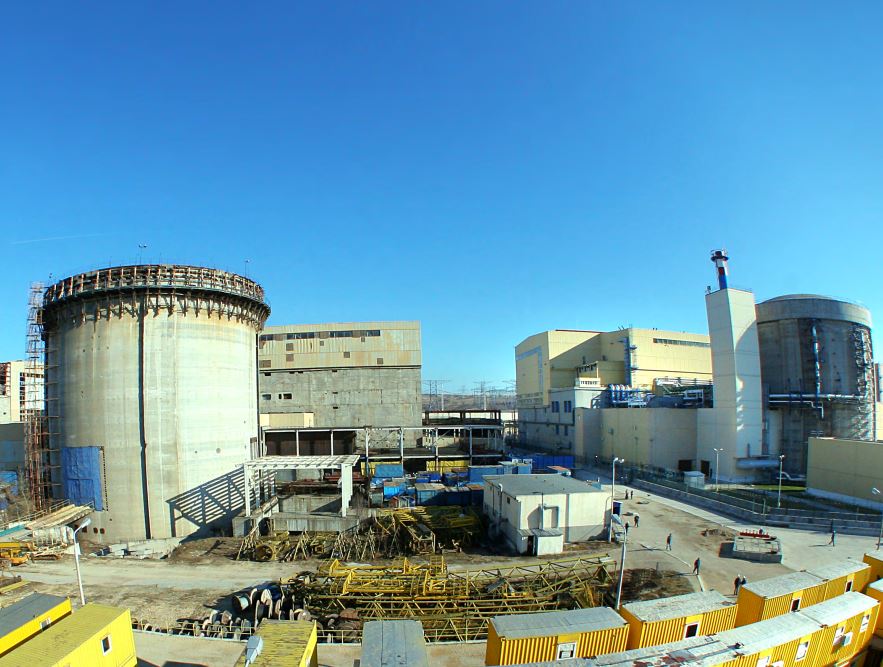
2. In what way has nuclear technology advanced in Romania in recent years?

The nuclear industry’s innovative answer to the needs of the system, energy security, complementarity with renewable sources, advanced nuclear safety and flexibility is the small modular reactor (SMR).

Currently, there are more than 10 SMR projects announced in Europe and North America (US, Canada, UK, France, Romania, Poland, etc.) with estimated commissioning by 2035 and more than 70 SMR technologies in development worldwide.

The NuScale technology, the one that Romania will implement, is the most mature from the perspective of implementation. For Romania, the opportunity to be among the first countries to develop SMR technology comes with numerous benefits for the development of the local nuclear industry and the supply chain for the production/assembly of NuScale technology components to Central and Eastern European states.

With over 26 years of experience operating at the highest standards of excellence, Nuclearelectrica has the opportunity to become a regional NuScale technology operator, as well as a regional center of excellence in operational training. In this sense, we will implement a NuScale simulator at the Bucharest Polytechnic University and launch regional operational training programs.

3. What are the benefits of nuclear power in the context of climate and energy security objectives?

Among the benefits of nuclear energy, we list the following:

• It is available 24/7, regardless of weather conditions

• It is a clean, safe, resilient and affordable source of energy

• Globally, nuclear power covers 10% of total electricity needs

• Nuclear power generates 50% of electricity with low greenhouse gas (GHG) emissions

• The nuclear industry in the EU supports 1 million jobs

• Globally, nuclear power prevents the release of 2 billion tonnes of CO2 annually, equivalent to the production of 400 million cars

• It is competitive: nuclear power is one of the cheapest forms of energy

• It is essential to the decarbonation mix; renewable sources can have an effective impact only in conjunction with nuclear energy due to their intermittent nature

• It is essential to the energy mix of the future; the energy sector is the main source of CO2 emissions, and climate change experts recommend increasing low-CO2 sources from 30% to over 80% in 2050

• Nuclear energy saves raw material; by recycling fuel, primary resources are effectively managed, and by recycling uranium and MOX fuel, a 30% saving of raw material can be achieved; globally, 96% of spent fuel is recyclable (95% uranium, 1% plutonium)

• Nuclear energy protects health; there are no emissions of fine particles, nitrogen dioxide, sulfur dioxide, nitrates or phosphates into the atmosphere

4. What major projects have you developed lately?

The Refurbishment of Unit 1, the Project of Units 3 and 4 CNE Cernavodă, and the Project of Small Modular Reactors. The company’s strategic projects are, at the same time, a priority for Romania in relation to the need to increase energy production capacities without CO2 emissions, ensuring energy requirements and independence, and achieving decarbonisation targets, consumer protection, socio-economic development, supply chain development, and Romania’s positioning as a leader in the implementation of new nuclear technologies in the region.

5. In what way did you find useful the development of corporate governance as a coagulation factor and effective integration of all processes at the SNN level?

The implementation of corporate governance rules ensures a transparent decision-making process, based on clear and objective rules designed to lead both to internal coherence and accountability, but also to increasing the level of trust of all categories of stakeholders.

6. In 2022, you published your fourth sustainability report. What changes did the development of such a report produce in the company?

Nuclearelectrica’s management has a holistic approach to including ESG criteria in the company’s strategy and development plans. This holistic approach is derived at the level of the entire company and at the level of the company’s collaborators through the established processes, procedures, but especially through objectives that are derived from the general objectives of Nuclearelectrica down to the individual level through KPIs.

We have an ESG Working Committee, responsible for evaluating and developing ESG principles and measures for the company.

One of our values is sustainability and it is simultaneously a strategic direction of action. In everything we do, operation and production, internal development, investment projects, environmental management programs, assets, HR, code of ethics and anti-corruption policy, the goal is added value, development for the company and its shareholders, in order to ensure clean energy and energy security in Romania.

Interview with László Borbély and Gabriela Ciulacu Bițan, the Department of Sustainable Development: Inside the Romanian Code of Sustainability

This interview was published in Sustainability Index Magazine 2023.

How will the Code support businesses in Romania?

As part of its 2030 strategy for sustainable development overseen by a dedicated department within the government, Romania has recently launched one if its most ambitious projects yet: a national Sustainability Code. The Code and its guide for use by businesses in Romania have been recently finalized and will be followed by a reporting framework, which is currently in testing phase. Together, the two components will provide companies with a tool for unified and transparent reporting.

László Borbély, State Counsellor, and Gabriela Ciulacu Bițan, Senior Advisor at the Department for Sustainable Development, share more about why the Romanian Code of Sustainability was necessary and how it will support the business environment in the country.

1. The Romanian Code of Sustainability represents one of the most important and ambitious projects that the Department of Sustainable Development is currently implementing. How does the Code support companies in Romania?

László Borbély: As it is already quite well known in the business environment, non-financial reporting has been an obligation for companies with over 500 employees for several years. The new European directives make sustainability reporting an even more complex task that will gradually address an increasing number of entities. Besides the few companies that currently develop rigorous sustainability reports, many do not give enough importance to the subject. In addition, we can’t even know concretely what the situation is because right now the non-financial declarations that are submitted are not transparent.

We have the duty to stimulate the business environment to adapt to the new realities and not to be inferior to what is happening in the West in the area of sustainability reporting. That is why we created the Romanian Code of Sustainability and the reporting platform, which is free, both for entities that have the obligation to submit non-financial declarations/sustainability reports, and for those that wish to report voluntarily. In addition to the fact that the tool we developed ensures uniform and transparent reporting, it provides examples to guide users on how to comply with the reporting obligation.

2. The next period, until 2026, is marked by many new requirements at the European Union level regarding sustainability reporting. What actions will the Department for Sustainable Development carry out in 2023 to support the business environment in the implementation of these changes?

László Borbély: First of all, the entire approach that we started must also be seen in the context of the new regulations at the level of the European Union. In the process of creating the Romanian Code of Sustainability, we took into account all the relevant elements of the new directive, so that through the tool we created we meet the need of the business environment to adapt to the new requirements.

In addition to the final outcome of the consultation process, it was also very important that we were able to drive discussions on this topic and promote sustainability reporting to the public. We are also involved through our inter-institutional network in the transposition of the new CSRD directive, which allows us to keep the interaction between the business environment, NGOs and public institutions open, so that the implementation is done as smoothly as possible.

3. In June 2022, you presented the state of development of the Romanian Sustainability Code at an event organized at the Victoria Palace. What other actions have you taken on this project in the meantime?

Gabriela Ciulacu Bițan: The most important result we have achieved in the meantime is the finalization of the Romanian Sustainability Code and the Guide for its use. The two documents can be downloaded from the dedicated website: www.codsustenabilitate.gov.ro. We are also nearing the finalization of the reporting platform, in the sense that it is in the testing phase.

Since the implementation of the Code requires engagement from the business environment, at the end of last year we also had a promotion campaign under the slogan: „Choose the path of responsibility, use the Romanian Code of Sustainability!”, carried out on social networks (YouTube, LinkedIn, Google Display Newtork, newsletters) so that our message reaches as many entities as possible. We managed to promote the Sustainability Code at the local level as well, through the 8 regional debates held within the Sustainable Romania project. Recently, training sessions for the use of the Code took place, attended by 116 representatives, especially from the business environment.

In the short term, we aim to finalize the legal framework for the effective operationalization of the Code, and in the medium and long term we will continue with promotional actions and the provision of support for the business environment.

4. In what way will the Code support the analysis of a company’s sustainability performance and benchmarking with other companies in the industry?

Gabriela Ciulacu Bițan: Providing a benchmarking tool was also one of the goals with which we set out on the road to create the Romanian Sustainability Code. A big plus that the Code and the platform brings is the fact that reporting will be transparent and unified. The reports of all companies will have the same chapters and the same performance indicators.

The platform allows searching according to several filters, among which: company type, number of employees, field of activity, and most importantly, search and comparison according to each criterion or performance indicator. In the future, when companies have multiple reports and multi-year data series, we will implement the ability to compare results for a specific criterion/indicator from each year.

Interview with Ömer Tetik, CEO Banca Transilvania: Sustainable banking

This interview was published in Sustainability Index Magazine 2023: https://sustainabilityindex.ro/sustainability-magazine-2023/

Banca Transilvania’s objectives for the coming years are to consolidate the portfolio of green financing (to grant at least 3.5 billion lei for green projects), maintain the 20% financing of green mortgages, contribute to financial inclusion and continue investing in the bank’s digital transformation.

1. How has the bank’s mission changed since more and more emphasis is placed on sustainability in the business environment?

From the beginning, our mission has been to support and develop the business environment in Romania, through financial products and services, but also through access to financing for companies, entrepreneurs and the population.

Through the way we allocate resources, we play a catalytic role in Romania’s path towards a circular economy. Therefore, we have learned to integrate aspects related to the environment, social impact or the promotion of good governance into our lending practices.

I would like to mention our affiliation with the Principles for Responsible Banking within the UNEP FI (United Nations Environmental Program – Finance Initiative), which helps us to analyze the impact that our activity has from the perspective of the Sustainable Development Goals (SDGs). We are also paying more attention to sectors with high carbon emissions and analyzing the carbon footprint of our portfolio.

2. The topic of Climate Change has been at the top of the agenda for several years and will remain so for a long time to come. How did Banca Transilvania propose to fight against their devastating effects through the partnerships it has?

We choose our suppliers and business partners. Last year (NR: in 2022), 96% of BT suppliers in Romania were local suppliers, selected based on the achievement of ESG criteria, such as energy efficiency and respect for the working conditions and health of employees. We also prioritize the purchase of electricity from 100% renewable sources, and over 80% of our electricity comes from such sources.

Regarding partnerships, starting in 2017 we developed a partnership with the European Bank for Reconstruction and Development (EBRD) whose purpose was to grant green credits to individuals for the purchase of residential properties and for the purchase of goods with superior energy performance. Last year (NR: in 2022), 1 in 5 mortgages granted was green. In the same way, through the Roseff program we granted financing for the optimization of the energy consumption of SMEs. Also, as an official partner of the European Energy Efficiency Fund in Romania, we granted loans for the purpose of improving the energy performance of the financed objectives or the implementation of energy production capacities from renewable sources.

Just last year (NR: in 2022) we signed a financing with IFC (part of the World Bank), which represents a pioneer in Romania and in Central and Eastern Europe in terms of blue economy projects.

This is a new area of interest for us, supporting Romania’s alignment with EU water management requirements and standards, as well as increasing the efficiency of water use in all sectors.

3. What are the most important ESG objectives of the bank for the coming years?

One of these is to strengthen the portfolio of green financing (grant at least 3.5 billion lei for green projects), maintain the 20% financing of green mortgages, contribute to financial inclusion and continue investing in the bank’s digital transformation. We also aim to reduce the intensity of our carbon footprint by increasing the use of renewable energy sources, as well as water, plastic and paper consumption and waste generation.

When it comes to our own team, our goals are to continue to closely monitor the balance of gender, age, and the net salary ratio between men and women with a focus on closing the gap. At the same time, we assume the role of the employer who facilitates learning, investing in periodic up-skilling courses and training.

4. What are the key ingredients of a bank that wants to be a leader in sustainability?

It is essential to prioritize the management of social and environmental risks by identifying, assessing and monitoring them. Also, corporate responsibility is a crucial ingredient.

5. Support for entrepreneurs is a basic pillar for Banca Transilvania. What are the best results you have had following the development of programs dedicated to entrepreneurship?

Entrepreneurship is part of our DNA, therefore supporting it through dedicated programs and projects is part of our core business. An example is Stup, the BT space dedicated to the entrepreneurial community in Romania. Currently, the community has gathered a number of more than 9,000 members.

We are supporters of Romanian start-ups through BT Mic, the microfinance company of the BT Group. With a portfolio that has a weight of approximately 20% start-ups, BT Mic is also the first financier for over 70% of customers.

Interview with Adina Teleucă: TOBORO PROJECT.  Startup from Romania accepted in the Founders Program in Paris

1. The Toboro project, initially a platform dedicated to the lending of objects between individuals, was designated in November 2021 as the winner of the Future Makers international incubator, organized by Social Innovation Solutions. How did you arrive at solutions for companies today, for the valorization of electronic waste (e-waste)?

Indeed, Toboro was born in Bucharest, Romania, in 2021, along with our participation in the Future Makers program. The entire experience of the founders in this project was somewhat atypical. Less than a year later, we decided to launch the mobile application directly in France, along with relocating part of our team there. From there began a new phase of learning and development through trial and error, as is typical for many startups.

For our project, the challenges were even greater since we chose to operate in a market where we had no previous experience. This entire process helped us better understand the problem we were trying to solve, as well as our customers’ needs. This led us to pivot from a C2C business model to a B2B model, addressing the same challenge – overconsumption that generates huge amounts of waste – to organizations.

2. Why did you choose France for Toboro development?

In the last year, we realized how important it is to be present in an ecosystem where people are familiar with the problems you are trying to address and who are aware of the impact of climate change on the economy. This topic is present here in the academic environment, in the public space, in the startup ecosystem, and also at the political level, which is reflected in dedicated programs that provide resources to those who want to innovate in this field.

Moreover, France is an important hub for entrepreneurs and is distinguished by its diversity and a significant international community that has chosen to develop their products and services here, especially in Paris. There is support from both the private and public sectors (La French Tech, BPI France), making France an attractive place for startups.

Although we would have liked Romania to be the country where we launched, even though we did not do so, we hope to see it ready to support entrepreneurs more. But beyond that, personally, I believe that today, more than ever, you can launch a business from any corner of the world. What characterizes an entrepreneur is determination and the ability to find solutions, regardless of challenges or the environment they come from. We can see, even in Romania, more and more entrepreneurs who are having a major impact, including internationally.

3. Unlike government programs and recommendations from environmental organizations, with Toboro you provide companies involved in the recovery of e-waste with immediate feedback of their actions, through statistics and data on the reduction of carbon emissions, the amount of raw materials saved or the financial value of their actions, as is the case with donations. How much does this data matter in motivating managers of organizations to engage in sustainability actions?

Data are extremely important in supporting the actions that companies undertake, and from the numerous discussions we have had with organization representatives, we have noticed that they also represent a great challenge. On the one hand, this need is accentuated as the deadline approaches for the new European directive on corporate sustainability reporting (CSRD) to come into force. On the other hand, the increasing pressure also comes from consumers and investors. According to the most recent study by PwC, 94% of investors believe that corporate sustainability reports contain statements that are not supported by accurate data.

Moreover, their interest in the impact of companies on the environment and society is also growing, 15% more than the previous year Last but not least, the lack of data makes it difficult, if not impossible, for companies to measure the impact of their actions and sustainability projects, with an impact in business (attracting talent, investments, etc.), not just at the image level.

Identifying all these problems, we have developed, together with one of the doctoral graduates in mathematics from MIT, our own calculation algorithm, which allows for greater accuracy than the estimates we can find on the market.

For this, we have built our own database, which integrates information about the emissions generated by each product, from different brands, from the production stage to commercialization. We complete this calculation with data collected from companies, about the duration and usage in the product’s life cycle within the organization.

4. What results have you recorded in the few months since the launch of the platform? Can you give us some names of companies and the impact of their actions on the environment?

We began developing our product based on feedback received from organizations we interviewed even before defining the final solution. This allowed us to collect useful insights about their problems and needs. However, we didn’t limit ourselves to just companies. The issue of e-waste cannot be solved without a holistic approach. Each party involved in a product’s lifecycle bears some responsibility.

We identified that, in the manufacturing and distribution stage, producers are not yet providing enough transparency regarding data that shows a product’s carbon footprint. We need this data to perform precise calculations and generate accurate results useful for sustainability reports. Continuing, existing databases (such as ADEME) offer a range of useful information, but even here, some of it is based on estimates. We continue to operate with a lot of approximate data and we believe it is also the role of legislation to impose more transparency and rigor in data transmission.

We have also expanded our study to the area of NGOs or partners (example: recyclers), as well as suppliers, thereby laying the foundations for what we want to be an ecosystem for the management of e-waste. In this ecosystem, we currently integrate actors from the corporate, non-profit, and public environments – who are usually the partners that take over electronic equipment to extend its life. At this moment, we have a pilot program – focused especially on laptop donations – in which companies from industries such as retail and banking participate, both from France and Romania.

On average, an organization that chooses to donate 100 laptops instead of sending them to the landfill can reduce its CO2 emissions by approximately 7,800 kg in the year of donation, and the calculation can also be extended to raw materials, water consumption, or the financial value of donations with an impact on the community.

For those interested in a personalized calculation, we invite them to www.toboro.io, where they can request such a report.

5. In your work, you also addressed the other side of sustainability, social responsibility, specifically diversity and inclusion (D&I). How is the Accessi+ project received by companies, through which you offer audits and solutions to improve the accessibility of website content for individuals with disabilities?

Web accessibility allows all individuals, not just those with disabilities, to navigate and interact with the internet. With the pandemic and the increased time spent online, this has become even more important. Fortunately, there is a legislative framework that ensures everyone’s equal access to information and communication technologies, which we can simply interpret as access to internet content.

These directives, as we know, are interpreted differently from one country to another. In France, for example, we already have an implementation methodology for the European standard EN301 549, which public institutions, public law entities, and companies with a turnover of over 250 million euros are required to follow. There is also a standard in Romania.

However, what motivates organizations to make their websites or mobile applications accessible is not just the fines for non-compliance, but also the opportunities they lose due to lack of accessibility: access to a larger customer base, the positive impact on CSR strategy, especially in the Diversity and Inclusion pillar, and even at the image level, showing care and empathy towards a disadvantaged population segment when it comes to navigating the internet.

6. You are preparing to enter the Romanian market. What are the expectations regarding the development of the two projects in the domestic business environment? What obstacles do you think you will encounter?

We are entrepreneurs, so we choose to have an optimistic approach. We believe it is very important for Romania to keep pace with global development and align with international standards. Even though progress is slower in certain sectors here than in other regions of the world, we observe a considerable openness from some organizations towards innovation, inclusion, and sustainability-related themes. Our businesses are based on a European and international legislative framework, which particularly helps us in discussions with organizations that are part of complex, international structures where sustainability is already integrated into the business strategy.

Locally, we already see a growing number of companies voluntarily making sustainability reports, as well as those engaging in actions with a positive impact on the environment and society. For us, this is an indicator that things are moving in a positive direction.

7. How do you see the role of technology in promoting sustainability?

I believe that technology is an important catalyst in promoting sustainability and provides us with tools that enable the measurement, analysis, and improvement of our impact on the environment. Therefore, we should transition to a stage where data accuracy, through traceability and transparency, becomes a reality. For instance, artificial intelligence and data analysis solutions allow us to more accurately assess carbon emissions and identify areas where we can reduce resource consumption.

Equally important is the fact that today, more than ever, technology plays a vital role in increasing public awareness and engagement. Online platforms and social networks enable us to disseminate information about sustainable practices and create a global community united around sustainability values. However, there is equally a risk of greenwashing when it comes to online platforms.

I am convinced that technology will be more than a facilitator and will enable us to address current climate challenges in smarter and more efficient ways.

Interview with Gabriel Ivan: A Creator and Promoter of Sustainability, side by side the FMCG And Retail Sectors

CHEP, a Brambles company, the biggest sustainable logistics solution supplier and one of the biggest B2B circular businesses globally, is the first in its sector to have a regenerative sustainability vision. As pointed out by Gabriel Ivan, Country General Manager CHEP Romania & Bulgaria, the company is a committed advocate and partner in promoting the highest standards in sustainability of the FMCG and Retail sectors.

1. What is your approach in terms of the regenerative sustainability concept?

We are acting within the framework of our current five-year regenerative centered strategy, that target areas where our business can have the most positive impact to support the ‘decade of action’ on the United Nations Sustainable Development Goals (SDGs). In simple terms, it is a strategy that aims to give back more than we take and we need, to become positive by creating more and more value.

Our commitment is to get nature-positive by 2025 through restoring forests, going beyond zero waste, and drawing down more carbon than we produce. For becoming business-positive, we will pioneer regenerative supply chains by improving our circular model every year, increasing the environmental benefits in our customers’ supply chains. To be communities-positive, we will build resilience, promote circularity and account for the connections between society, the economy and nature.

2. What are your long-term objectives and the company evolution since you launched your strategy?

We are now building a business that helps create a nature positive, a business positive, a community positive economy with re-use, resilience and regeneration at its core. And we have a consistent track record of delivering results against our targets. This help us attract customers and investment by minimising risks and increasing confidence in long-term value creation, differentiate our customer value proposition to become strategic partners, attract and retain the best people, but also to identify best practices and areas of improvement which ultimately bring year on year growth.

3. You engaged to reach the carbon neutral level by 2040, ten years before the objective that had been set in the Paris Agreement. What does this mean?

To support the Paris Agreement, we decided to adopt short-, medium- and long-term emissions reduction targets, including using 100% of renewable electricity in our own operations by 2025, maintaining carbon neutrality across our operations, aligning with 2030 Science Based Targets and a 2040 Net-Zero target covering 100% CHEP’s and Brambles’ operational and value chain emissions.

4. What measures have you taken to optimize your communication with all participants to the value chain?

We are a supply chain solutions’ supplier both for production and distribution companies in FMCG as well as for retailers. This placed us in a great position to promote the transition to the circular economy, as well as one-off projects such as Lean&Green or the CHEP issued Sustainability Certificates.

We welcome and support any company willing to promote the benefits of circularity and its yearly progress in terms of environmental savings, in one-off communication projects and annual reports. And we remain open to debate and embrace creative and collaborative ideas and solutions from the industries we are connected with. All our clients and partners are invited to participate to this journey to regeneration.

A sustainable manifesto for The Slow Movement

A sustainable manifesto for The Slow Movement

Living too fast can turn life into a blur, but Carl Honoré is here to wake us up. Carl is a bestselling author, TED speaker, broadcaster and the global voice of the Slow Movement. He travels the world to deliver powerful keynotes that put time and tempo in a whole new light. By using stories and research from across the globe, Carl teaches us how to unleash “the inner tortoise”. His book, “In Praise of Slow”, chronicles the international trend towards putting on the brakes in everything we do – from work to relationships, travel, food or parenting.

Slowness is key to sustainability. It means being conscious, present, responsible, and putting quality before quantity. In order to thrive in a fast world, we have to slow down. Discover how by reading Carl’s insights in this exclusive interview for Community Index Magazine!

The interview was initially published in the bilingual yearbook Community Index Magazine no. 5. You can flip through it here: https://communityindex.ro/community-index-magazine-2023/

1.You’re the internationally acclaimed voice of the Slow Movement. It seems we need to slow down if we want to age well. What is it about slowness that turns it into a superpower?

When you get stuck in fast forward, when every moment of your life is a race against the clock, you pay a heavy price. You wear out your body and mind. You struggle to think, work, and enjoy the moment. Your creativity falls off a cliff. You make more mistakes and are less efficient. You make bad decisions. Your relationships suffer. Slowing down to the right speed makes you calmer, healthier, happier, more focused, more accurate, more efficient and productive, more creative, and more present. You start living your life instead of racing through it.

2.In a world of busyness, speed and living life on fast-forward, what are the biggest gains of slowing down? What is the connection to sustainable living? Do you find that individuals are ready and willing to get in tune with taking it slow or is it hard to cut through the noise and expand the slow movement?

When you live “slow”, you tread more lightly on the planet. You consume less and more wisely. You stop obsessing about your to-do lists. That is when you truly start contemplating the big picture and thinking long-term. I noticed that most people yearn to slow down, but many find it hard. Because of the powerful taboo against slowness, even just thinking about slowing down makes us feel afraid, guilty or ashamed. Speed is often an instrument of denial, a way of avoiding deeper problems or being alone with ourselves. Rather than facing up to what is going wrong in our lives, we find it easier to speed up, to lose ourselves in busyness, to focus on the trivial stuff. Living a fast life is, often, a way of running away from yourself!

3.You believe that “ageism is a self-fulfilling prophecy”. What made you decide to start championing and celebrating the advantages of growing old?

For me, it all started with discovering that I was the oldest player at a hockey tournament! It may sound trivial, I know, but it sure didn’t feel that way! Picture the scene: I was 48 at the time! I had just propelled my team into the semi-finals by scoring a dramatic goal. I was walking on air! Then came the news, straight from a tournament official.

He told me: “Mate, there are 240 players here, and you’re older than every one of them!” In the blink of an eye, I went from goal scorer to grandad. Even though I’d been playing well and having fun, the questions crowded in: “Do I look out of place here? Are people laughing at me? Should I take up a more age-appropriate pastime? Bingo, perhaps?”

My wobble got me thinking about how we are all in thrall to the cult of youth. To the idea that younger is always better and that ageing is a terrible and shameful thing. Once I opened my eyes and began doing some research, I realized that there is a much better story to tell about growing older – and I wanted to share that with the world!

4.How can we escape the cult of youth and become free to enjoy whatever phase of life we are in?

First, check your language. Stop using phrases like “senior moment”, “showing my age” or “the wrong side of 40” that reinforce the idea that ageing is all about decline. Second, be honest. Lying about your age gives the number a power it does not deserve. It locks you into the old ageist script. Being honest about how old you are and owning your age lets you define what your life will be at every stage. To embrace ageing as an adventure rather than an affliction, a process of opening, rather than closing doors. Third, find inspiring role models for ageing, on social media or beyond. Fourth, join multigenerational groups with people older than you. Befriending older people is a great way to build a more optimistic view of what the future holds for you.

5.What would be the top three steps anyone can take in order to set free “the inner tortoise” and cultivate a more meaningful and conscious lifestyle that’s in line with what they value most in life?

Do less. Buy less. Consume less. Drive less. Unplug more. Walk more. Listen more. Sleep more. Stop multitasking and do one thing at a time. Embed slow moments and rituals into your schedule. Embrace your inner tortoise!

Katharina Scheidereiter, CSR Manager Kaufland Romania: We are interested that the message of a project reaches as large an audience as possible

Interview with Katharina Scheidereiter, CSR Manager Kaufland Romania:

Highlight: “We are interested that the message of a project reaches as large an audience as possible. It is important both for the NGO, which gains visibility, new opportunities, new volunteers, other sources of funding, but also for us, because community investments are a main pillar in the company’s corporate communication strategy, through which we aim to promote best practices in the market, increase reputation or attract new talents.“

1.What is the company’s current CSR strategy and how has it changed since you started?

Active involvement in the communities in which we do business has always been a priority for us, and our commitment has intensified as we have evolved. During 2022, we have strengthened the support given to the five strategic directions of community investments, focusing on projects aimed at education, environmental protection, social issues, sports and health, as well as promoting culture.

We particularly pursue large-scale projects with long-term impact, as well as innovative initiatives, united by a common goal: improving the quality of life in the community. We also quickly adapt to exceptional situations, such as the COVID19 pandemic or the war in Ukraine, and intervene according to needs. The most powerful example for adaptation is the In Stare sa Ajut call for projects, developed within the In Stare de Bine financing platform, which later became a permanent component and now functions as a funding mechanism for projects addressing pressing societal issues, such as consumption of drugs in adolescents.

In Stare de Bine is our annual NGO funding program. In the last 5 years, we have awarded non-refundable grants totalling 1,000,000 euros annually to winning projects and I am glad that, in 2023, we have allocated a budget of 1,200,000 euros.

2.Who are the stakeholders involved and how do you take their input into account?

For social responsibility projects, we collaborate exclusively with non-governmental organizations, with whom we develop and establish the forms of intervention or the appropriate ways of involvement.

Moreover, we consider that the non-profit environment is one of the essential stakeholders for CSR activity. At the same time, we annually ask our clients which social responsibility or sustainability topics are of particular interest to them in relation to the company’s activity, and then we integrate the results into our strategy. Every time we aim to always have a top 3 relevant themes in our action plan and in our communication.

3.Lately, there is a lot of talk about Impact Investing. Are there projects where you have this approach?

Regardless of the terms used, we at Kaufland have always aimed for the investments made to bring added value for the environment, people and society in the long term. As proof, for 5 years we have ranked first in the top of transparent and performing companies in the direction of sustainability at the national level, recognition offered by CST Index.

Moreover, 5 independent market studies, carried out by professional agencies, place us in the top of the companies that carry out sustainability projects at the level of the general public’s perception. This makes us happy but also makes us responsible to continue in this direction.

Whether it’s installing solar panels or green roofs on our stores, planting a network of urban mini-forests or developing measures to reduce food waste, our investments always aim for a consistent impact.

4.How do you measure the success of a program or project?

We have several indicators that we track both on the implementation side of community investment projects and for their visibility. From the pre-funding stage, we ask organizations to detail the identified need, the number of targeted beneficiaries and their geographical area, as well as the project continuation plan at the end of our funding.

We are interested in seeing that the organization has the capacity to implement the project and that the proposed objectives are realistic. And then in the reporting stage we look at the post-implementation data and see if there are notable differences and why these differences occurred, positive or negative.

For us, the greatest success is when the financed project manages to become financially independent, as is the case of „Sol și Suflet”, the first farm with regenerative agriculture in Romania and an educational center for future farmers, which in three years after the launch managed to support itself from its economic activity.

And at the communication level, we are interested that the message of a project reaches as large an audience as possible. It is important both for the NGO, which gains visibility, new opportunities, new volunteers, other sources of funding, but also for us, because community investments are a main pillar in the company’s corporate communication strategy, through which we aim to promote best practices in the market, increase reputation or attract new talents.

5.Do you have examples of communities that you have helped to develop over time, independent of the support offered at the beginning?

 We have strategic partnerships with non-governmental organizations with whom we have undertaken long-term interventions because change takes time. For example, in partnership with „Hope and Homes for Children” we have already built 5 family-type houses, and this translates into a home for over 100 children from the social protection system.

Another relevant example is in the area of the environment, which for us is a priority area, and where we intervene on several levels: firstly we are interested in the elimination of waste from nature and for this we have numerous greening actions with volunteers throughout the country.

Secondly, we make sure that we offer citizens the opportunity to develop responsible behaviors such as collecting recyclable containers at the separate collection machines in our stores, and we complement it with numerous education and awareness campaigns about the importance of environmental protection, aimed especially at the little ones.

The interview was initially published in the bilingual yearbook Community Index Magazine no. 5. You can flip through it here: https://communityindex.ro/community-index-magazine-2023/

Community Index Magazine 2023, anuar bilingv ajuns la a cincea ediție: Cea mai importantă publicație dedicată domeniului CSR din România

  • Community Index Magazine este singura publicație bilingvă Română-Engleză din România dedicată domeniului CSR, disponibilă atât în format flipview, cât și print. Anuarul cuprinde rezultatele ranking-ului Community Index 2023, interviuri naționale și internaționale în exclusivitate, studii de caz și articole din domeniul sustenabilității.
  • În premieră, cititorii se pot bucura în această ediție de articole și interviuri exclusive care pun în valoare perspectivele unor lideri recunoscuți din cadrul BCR, University of Wisconsin, Kaufland Romania, The Slow Movement sau Seeds of Wisdom.
  • Publicația promovează și încurajează adoptarea Obiectivelor de Dezvoltare Durabilă ale ONU pentru a veni în sprijinul României în eforturile de implementare a Agendei 2030.

Community Index Magazine: o sursă de know-how de calitate pentru orice profesionist care are un mindset sustenabil 

Anuarul bilingv Community Index Magazine, ajuns la cea de-a cincea ediție, conține rezultatele ranking-ului Community Index 2023, interviuri în exclusivitate cu profesioniști internaționali de renume, articole și interviuri cu profesioniști locali din domeniile sustenabilitate și CSR, și numeroase studii de caz ale unor companii care pot fi considerate reper la nivel de proiecte pentru comunități.

Publicația este deosebit de utilă nu doar pentru profesioniștii din domeniu, ci și pentru companii, membrii comunităților, ONG-uri, universități, agenții de PR și autorități.

Publicația in format flip view este disponibilă gratuit la următorul link: Community Index Magazine 2023

Ce tip de conținut regăsesc cititorii în anuarul Community Index Magazine?

1.Interviuri în exclusivitate cu experți recunoscuți la nivel global din domeniul sustenabilității:

  • Riane Eisler, The Real Wealth of Nations
  • Wakanyi Hoffman, Seeds of Wisdom
  • Jessica Leclair, University of Wisconsin–Madison School of Nursing
  • Carl Honoré, The Slow Movement

2. Articole și interviuri cu pofesioniști recunoscuți la nivel național:

  • Ilinka Kajgana, BCR
  • Katharina Scheidereiter, Kaufland România
  • Gabriel Ivan, CHEP
  • Adina Teleucă, TOBORO

3. Studii de caz naționale și internaționale:

  • „Ziua Bună – Ziua Voluntarilor Mici pe Via Transilvanica!”, Coca-Cola HBC România & Asociația Tășuleasa Social
  • Tricou de uriaș, Kaufland România & Asociația 11even
  • Phasing out plastic, Apple
  • Școala de Bani a BCR, FabLab & Asociația Edupedu
  • Programul de Sustenabilitate Personală (PSP), Auchan România
  • Grădina Noastră, Carrefour Romania
  • Salvatorii de vieți, Groupama & Fundația pentru SMURD
  • Kokoro Sports Project
  • Jobs for veterans, Starbucks
  • Microsoft’s New BING

Ce este Community Index?

Community Index este primul și singurul index al programelor şi proiectelor derulate de companiile din România pentru a investi în comunităţi, lansat în 2019. Ranking-ul este cea mai mare bază de date a proiectelor de CSR din România și reprezintă un instrument de analiză util companiilor, autorităților și comunităților atunci când iau decizii de investiție.

Este parte componentă a ranking-ului Romania CST Index (anterior Romania CSR Index), cea mai importantă analiză a nivelului de performanţă şi transparenţă din perspectiva sustenabilităţii corporative, din țara noastră, lansat în 2016.

Există o mare varietate de inițiative și proiecte pe piață, iar o privire de ansamblu, bine structurată, oferă informații relevante ajută factorii decizionali să creioneze o strategie bine adaptată la contextul local și național.

Pentru a stabili proiectele care au fost incluse în Community Index 2023, au fost analizate peste 800 de inițiative, proiecte sau programe care au avut loc în România în perioada ianuarie 2022 – decembrie 2022. Scorecard-ul pe baza căruia a fost făcută evaluarea a avut, în total, 6 categorii și 46 de indicatori aliniaţi la cele mai importante standarde sau referinţe internaţionale din domeniul investiţiilor în comunităţi.

Ce noi descoperiri a scos la suprafață analiza din 2023?

Piaţa de investiţii şi donaţii în sprijinul comunităţilor a crescut în ultimii ani şi se ridică la peste 80 milioane euro anual, în principal pentru proiecte de educaţie pentru elevi (9.4%, o usoară creștere de 1% față de 2022), sănătate (6%, în scadere față de anul trecut) sau medii defavorizate (23%, în creștere cu 5% față de 2022). Un alt domeniu de interes pentru companii este Artă/Cultură, 10% dintre proiecte fiind dezvoltate în această direcţie, în creștere față de 9.2% în 2022. Totuşi, 4% dintre proiectele derulate de companiile din România sunt destinate combaterii schimbărilor climatice, în scadere cu 1% versus 2022, iar 1.5% dintre proiecte sunt în direcţia oraşe sustenabile, în scădere față de 4.4% în 2022.

Printre principalele trenduri evidenţiate în urma analizei, menţionăm o creştere a nivelului de transparenţă privind rezultatele şi impactul proiectelor sau programelor de CSR. De asemenea, companiile încep să alinieze mai bine strategia de Sustenabilitate / CSR la specificul industriei şi la strategia de business. În ceea ce priveşte angajaţii, aceştia sunt tot mai dornici de a ajuta comunităţile şi apreciază companiile care le oferă oportunitatea de a se implica voluntar în proiecte. Un alt trend observat este faptul că există un interes crescut privind obiectivele pe termen lung: companiile pun mai mult accent pe a genera impact pe mai mulţi ani şi a evita crearea unei dependenţe a comunităţii – se concentrează pe dezvoltarea unor abilităţi sau a unei infrastructuri care să ramană în comunitate chiar şi după ce o companie îşi redirecționează investiția către alte proiecte.

Printre proiectele care au obținut Gold Recognition, menționăm proiectul educațional Lifelab dezvoltat de BCR, FabLab & Asociația Edupedu, la categoria Educație financiară – prin participarea în acest program, elevii învață noțiuni de educație financiară și exersează planificarea și munca în echipă. La categoria Implicarea angajaților, Programul de Sustenabilitate Personală (PSP) Auchan a fost construit sub formă unui demers de mobilizare a angajaților de a se implica activ în proiecte de susținere a comunităților locale. La categoria Reduce, Reuse, Recycle – Banca Transilvania și Ateliere Fără Frontiere au dezvoltat proiectul Remesh și luptă pentru inserția socială și profesională a persoanelor vulnerabile și marginalizate. Împreună în Slujba Binelui, proiect dezvoltat de Secom Healthcare Group prin care au fost susținute mai multe inițiative din domeniul sănătății, a primit de asemenea Gold Recognition la categoria Sănătate.

Anul 2023 vine cu o nouă distincție Community Index: pentru fiecare categorie în parte propunem distincția The One to Watch – o recunoaștere specială pentru a evidenția originalitatea și inovația proiectelor care stabilesc un trend important pentru următorii ani, în domeniul lor. Printre proiectele menționate la această categorie au fost YOXO Forest – Prima pădure digitală devenită realitate, 100 de idei de business pentru România – PENNY România sau Încrederea în sine se învață în școală – Oxygen.

Unde sunt publicate rezultatele analizei?

Rezultatele din 2023 pot fi regăsite atât în anuarul în format flipview și print Community Index Magazine, cât și online: https://communityindex.ro/rezultate-community-index-2023/

Care sunt obiectivele ranking-ului Community Index?

Misiunea Community Index este de a evidenția proiectele de CSR cu o performanţă ridicată care pun mai mult accent pe aspecte precum dialogul cu stakeholderii, sustenabilitatea proiectelor şi măsurarea impactului pe termen mediu şi lung. În plus, indexul are scopul de a evidenția acele proiecte care pot fi considerate Best Practices la categoria lor și care pot fi folosite drept exemplu în stabilirea strategiei unui proiect nou.

Anuarul Community Index Magazine este contribuția agenției The Azores Sustainability & CSR Services la dezvoltarea domeniului investițiilor în comunități din România.

Pe lângă know-how și conținut autentic, această publicație contribuie în mod concret la popularizarea conceptului de responsabilitate socială în mediul de business: o parte dintre anuarele tiparite va fi oferită, în mod gratuit, companiilor care au peste 500 de angajați (>750 de companii). În plus, varianta flipview va fi disponibilă gratuit o lună de zile, pentru a populariza domeniul și a contribui la dezvoltarea acestuia.

Pentru tipărirea publicației a fost folosită hârtie certificată FSC®, din surse sustenabile. Anuarul oferă atât informații valoroase cât și o experiență autentică în sine, din punct de vedere vizual. Coperta publicației este creată de Ovidiu Solcan (collage artist), fiind un colaj sustenabil din reviste reciclate, reprezentând Capodopera ”Sărutul”, realizată de sculptorul Constantin Brâncuși în anul 1907.

*****

Despre The Azores Sustainability & CSR Services

Agenţie de consultanță, înființată în 2013, cu scopul de a sprijini companiile din România privind integrarea sustenabilității corporative în strategia de business, The Azores Sustainability & CSR Services are o abordare axată pe rezultate pe termen lung, utilizarea tehnologiei IT pentru un nivel ridicat de acuratețe a indicatorilor de sustenabilitate și analize/research care să sprijine decidenții din companii în definirea strategiei de sustenabilitate corporativă.

Cel mai important și complex proiect al agenției este Romania CST Index, în trecut denumit Romania CSR Index, ranking lansat în 2016 şi care este singurul din România care evaluează indicatorii de sustenabilitate ai companiilor: informaţii despre managementul sustenabilității, impactul economic, de mediu şi social. Indexul este lansat în fiecare an în cadrul conferinţei Best Practices in Corporate Sustainability. În 2019, agenția a lansat Community Index, cel mai cuprinzător ranking al proiectelor corporate de investiții în comunități și un centralizator al celor mai bune campanii de CSR derulate în fiecare an de companiile din România. Rezultatele ranking-ului, împreună cu studii de caz şi interviuri ale unor experţi naţionali şi internaţionali sunt prezentate în fiecare an în Community Index Magazine, singurul anuar bilingv dedicat investițiilor în comunități derulate de companiile din România.

Interviu Katharina Scheidereiter, Kaufland România

La nivel de comunicare, ne interesează ca mesajul unui proiect să ajungă la o audiență cât mai mare

Este important atât pentru ONG, care câștigă vizibillitate, noi oportunități, noi voluntari, alte surse de finanțare, dar și pentru noi, pentru că investițiile comunitare sunt un pilon principal în strategia de comunicare corporativă a companiei, prin care urmărim promovarea de bune practici în piață, creșterea reputației sau atragerea de noi talente.

Interviu acordat în exclusivitate pentru anuarul bilingv Community Index Magazine nr. 5. Acesta poate fi vizualizat aici în varianta digitală: https://communityindex.ro/community-index-magazine-2023/

1.Care este strategia actuală de CSR a companiei și cum s-a schimbat aceasta față de când ați început?

Implicarea activă în comunitățile în care ne desfășurăm activitatea economică a constituit întotdeauna o prioritate pentru noi, iar angajamentul nostru s-a intensificat pe măsură ce am evoluat.

În cursul anului 2022, am consolidat sprijinul acordat celor cinci direcții strategice de investiții comunitare, concentrându-ne asupra proiectelor ce vizează educația, protecția mediului înconjurător, probleme sociale, sport și sănătate, precum și promovarea culturii.

Urmărim în special proiecte ample, cu impact pe termen lung, cât și inițiative inovatoare, unite de un scop comun: îmbunătățirea calității vieții în comunitate. De asemenea, ne adaptăm rapid la situațiile excepționale, cum au fost pandemia COVID19 sau războiul din Ucraina, și intervenim în funcție de nevoi. Exemplu cel mai puternic pentru adaptare este apelul În Stare să Ajut, dezvoltat în cadrul platformei de finanțare În Stare de Bine, care ulterior a devenit o componentă permanentă și acum funcționează ca mecanism de finanțare pentru proiecte ce adresează problemele stringente ale sociețății, cum este consumul de droguri la adolescenți.

În Stare de Bine este programul nostru anual de finanțare a ONG-urilor. În ultimii 5 ani, am acordat granturi nerambursabile în valoare totală de 1.000.000 euro anual proiectelor câștigătoare și mă bucur că, în 2023, am avut alocat un buget de 1.200.000 euro.

2.Cine sunt stakeholderii implicați și cum țineți cont de input-ul lor?

Pentru proiectele de responsabilitate socială colaborăm exclusiv cu organizații nonguvernamentale, alături de care dezvoltăm și stabilim formele de intervenție sau căile adecvate de implicare. Mai mult, considerăm că mediul non-profit este unul dintre stakeholderii esențiali pentru activitatea de CSR.

În același timp, anual ne întrebăm clienții care sunt temele de responsabilitate socială sau sustenabilitate care îi interesează în mod deosebit în raport cu activitatea companiei și apoi integrăm rezultatele în strategia noastră.

De fiecare dată urmărim să avem mereu în planul de acțiune și în comunicarea noastră un top 3 teme relevante.

3.În ultimul timp se vorbește des despre Impact Investing. Există proiecte unde aveți această abordare?

Indiferent de termenii folosiți, noi la Kauflnad mereu am urmărit ca investițiile făcute să aducă plus valoare pentru mediu, oameni și societate pe termen lung. Drept dovadă, de 5 ani ne clasăm pe prima poziție în topul companiilor transparente și performante în direcția sustenabilității la nivel național, recunoaștere oferită de CST Index.

Mai mult, 5 studii de piață independente, derulate de agenții de profil, ne plasează în topul companiilor care derulează proiecte de sustenabilitate la nivelul percepției publicului general. Acest lucru ne bucură dar ne și responsabilizează să continuăm în această direcție.

Indiferent că e vorba de montarea de panouri solare sau acoperișuri verzi pe magazinele noastre, plantarea unei rețele de mini-păduri urbane sau dezvoltarea unor măsuri ce vizează reducerea risipei alimentare, investițiile noastre urmăresc întotdeauna un impact consistent.

4.Cum măsurați succesul unui program sau al unui proiect?

Avem mai mulți indicatori pe care îi urmărim atât în partea de implementare a proiectelor de investiții comunitare, cât și pentru vizibilitatea acestora. Încă din etapa de pre-finanțare cerem organizațiilor să detalieze nevoia identificată, numărul de beneficiari vizați și aria lor geografică, precum și planul de continuare a proiectul la finalul finanțării noastre.

Ne interesează să vedem că organizația are capacitatea de a implementa proiectul și că obiectivele propuse sunt realiste. Iar apoi în etapa de raportare ne uităm la datele post-implementare și urmărim dacă sunt diferențe notabile și de ce au apărut aceste diferențe, pozitive sau negative.

Pentru noi cel mai mare succes este când proiectul finanțat reușeste să devină independent financiar, cum este, de exemplu, cazul „Sol și Suflet”, prima fermă cu agricultură regenerativă din România și Centru de educare pentru viitorii fermieri, care în trei ani de la lansare a reușit să se autosusțină din activitatea economică.

Iar la nivel de comunicare, ne interesează ca mesajul unui proiect să ajungă la o audiență cât mai mar e, e important atât pentru ONG, care câștigă vizibillitate, noi oportunități, noi voluntari, alte surse de finanțare, dar și pentru noi, pentru că investițiile comunitare sunt un pilon principal în strategia de comunicare corporativă a companie, prin care urmărim promovarea de bune practici în piață, creșterea reputației sau atragerea de noi talente.

5.Aveți exemple de comunități pe care le-ați ajutat să se dezvolte în timp, independent de sprijinul oferit la început?

Avem parteneriate strategice cu organizații neguvernamentale alături de care ne-am asumat intervenții pe termen lung, pentru că schimbarea are nevoie de timp. Spre exemplu, în parteneriat cu „Hope and Homes for Children” am construit deja 5 case de tip familial, iar asta se transpune într-un acasă pentru peste 100 de copii din sistemul de protecție socială.

Un alt exemplu relevant este din zona de mediu, care pentru noi este un domeniu prioritar, și unde intervenim pe mai multe planuri: o dată ne int eresează eliminarea deșeurilor din natură și pentru asta avem numeroase acțiuni de ecologizare cu voluntari în toată țară, în al doilea rând ne asigurăm că oferim cetățenilor oportunitatea de a dezvolta comportamente responsabile cum ar fi colectarea recipientelor reciclabile la aparatele de colectare separată în magazinele noastre și completăm cu numeroase campanii de educare și conștientizare despre importanța protejării mediului, adresate în special celor mici.

Digitalisation is a Clear Enabler for The Green Transformation of Our Society

Digitalisation is a Clear Enabler for The Green Transformation of Our Society

Ilinka Kajgana is an innovative and engaging risk leader whose 17 years of international work experience in large and complex banking organizations has delivered outstanding results. Her deep technical expertise across modelling and data, complex products and refined risk sensitivities is complemented by her consistent ability to partner with the business environment to drive risk-controlled growth.

In her current role as Chief Risk Officer for BCR, she has transformed the bank’s status and performance, obtaining a “low risk” rating following an ECB Supervisory Review and Evaluation Process. She also spearheaded innovation through the launch of a fully-fledged ESG transformation programme, central to business strategy.

The interview was initially published in the bilingual yearbook Community Index Magazine no. 5. You can flip through it here: https://communityindex.ro/community-index-magazine-2023/

  1. What impact has sustainability had on your strategic planning in the last year?

Sustainability is one of the main pillars of our company strategy, not only in the last year but also in the years to come. It marks everything we do: from the way we evaluate risk to the way we train our people, from the way we look at the development opportunities ahead to the way we operate in our offices.

On a very concrete level, 100% of the cards issued by BCR from January 2023 onwards, for private individual and corporate customers, are made of environmentally friendly materials, both recycled plastic and biodegradable material. BCR started issuing environmentally friendly cards as early as 2021, and so far about 50% of the portfolio is issued on sustainable material. Also, the green mortgage loan ’Casa Mea, NaturA’ accounted for about 44% of the total standard mortgage volumes disbursed by BCR in H1 2023. The loan is granted for buildings with an A energy certificate or for the greenhouses certified by the Romanian Green Building Council.

We continued the roundtables series on the ESG transformation of the Romanian companies, organized by BCR in partnership with ECOTECA Association, with the involvement of institutional representatives, entrepreneurs and ESG experts. In March, together with the Academy of Economic Studies in Bucharest, we developed the topic of “Establishing and measuring ESG indicators”, and in June, together with EFdeN, we discussed about „Energy efficiency in buildings: best practices and challenges.

2. What ESG actions does BCR take today to help future generations meet their needs?

 All our programs that are dedicated to future generations have one common denominator: education.

We have an integrated approach towards green education and digital education since we believe that digital transformation is a clear enabler for the green transformation of our society. Therefore, 66,000 Romanians participated in a Money School class, with a 50% increase in active users on Money School Platform.

We also have a partnership with NextLab Tech, the most important digital competition from South-Eastern Europe, where more than 60.000 children developed their skills for the future. Also, we have an integrated approach towards financial education and green education.

This is the underlying philosophy of our programmes: on one hand, the integration of digital and green education, on the other hand, the integration of financial and green education. Besides, we try to give young people a better understanding of what a job means today. Apart from our ongoing programmes of internships and career workshops, BCR has a strategic partnership with Joblandia, the innovative solution in education that matches highschool students and companies for a practical experience during “Saptamana Altfel” (The Alternative Education Week). In 2023, more than 3000 teenagers were enrolled in this programme, powered by BCR.

3. The fight against climate change has become pivotal for any responsible company. How does it affect your company and how do you fight to reduce its negative impact?

In the medium term, climate change will have a more significant impact on some economic segments such as agriculture, energy, construction, and possibly tourism. Our role is to support our clients from these segments into adapting their strategies for the future, to find alternatives and to invest in sustainability.

On the bright side, the recent pandemic produced an acceleration of the transition towards sustainability: hybrid work has significantly reduced the carbon footprint of the companies and has created a deeper sense of awareness towards the impact of global challenges. However, change has to be created person by person. In BCR, we have a ongoing training module about ESG that is mandatory for all our colleagues.

We have observed that no matter which generation colleagues are -Gen Z, Millenials, Gen X- they are very eager to enrol into saving resources while embracing a more environmentally-friendly routine. There is a long journey in front of us but at least there are more people who are seeing the importance of this road and who are trying to create a sensible map.

4. Banks can have a huge influence when choosing their ESG criteria for giving loans. What are BCR’s steps in this direction?

We try to position ourselves as a committed companion of our clients in their journey towards sustainability and ESG transformation. We believe that ESG is not only about compliance and ticking some boxes with the Environment, Social and Governance labels. It is about changing profoundly the way of doing business as a company.

Therefore, our role is to actively support our clients in their process of getting access to green finance. We are all in a process of learning, therefore being transparent and open is of critical importance for transitioning towards an ESG society.

We try to explain to our clients that sustainability is the most important investment: it means care for future generations and for the planet we leave to our children. On a more pragmatic note, getting access to green finance creates real business opportunities while staying relevant in the international value chain.

5. In May 2023 you had your first green Eurobond bank transaction. What were your aims with this issuance?

BCR’s green bond issue was a first on the Romanian financial-banking market, being the largest corporate bond issuance in Romania.

The bond issue proved successful from the outset, as the order book registered a significant volume of EUR 1.9 billion, well above the minimum issue size of EUR 500 million. This increased the issued amount to EUR 700 million. The final volume reflects our commitment to the market in terms of future issuance plans and our aim of building a relationship of trust with our investors.

It is also a signal of trust in the potential of the green economy of our region. A signal of trust for a greener future.

6. How about your social impact, where do you stand and what are your latest achievements?

Let us review some clear benchmarks because I believe that, in sustainability, it is important to walk the talk. In 2022, the social impact of the BCR Group (the banking services for NGO-s and social enterprises) generated the following impact: 290.000 beneficiaries from vulnerable categories, 1800 jobs supported or created (including jobs for vulnerable persons), 2.5 million Euros for developing associations and social enterprises, 127 NGO-s included in training or acceleration programmes, 900 NGO-s enrolled in The Good Exchange (Bursa Binelui), the only donor platform without commission. Besides, at InnovX-BCR, we accelerated 32 start-ups so that the local tech business got access to 19,7 million euros.

I should add that more than 21000 local entrepreneurs had free access to entrepreneurial education on the platform Școala de Business (School of Business).

Not in the least, we have 5000 employees – they are the engines that will really move Romania towards sustainability.

Ilinka Kajgana’s Biography

Since joining the Erste Bank Group in 2006, Ilinka has taken on and executed strategic projects for the business, including Operational risk, Capital Adequacy, AMA and other priorities for both the group and its international network of savings banks (Sparkassen). As a member or chair of the supervisory board, or board of directors for a number of entities over the past five years, she has helped guide the strategic direction of the group and put in place frameworks, policies, processes and controls to optimize clarity and efficiency, as well as mitigate risk.

She adopts new technology and uses agile methodologies to transform businesses, aligning them to the evolving needs of our clients and an increasingly complex international regulatory environment. Her scientific background, Master’s and PhD, have all honed her problem-solving and analytical skills. Building trusted relationships with key stakeholders in large and complex organizations has been a key facet of her success, and is complemented by an ability to engage with the regulator, clients, partners and suppliers.